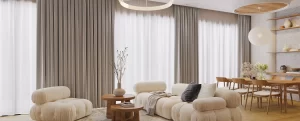

Interior comfort is influenced by many elements, including lighting, temperature balance, noise levels, and visual atmosphere. Window treatments are often overlooked, yet they play a major role in shaping how indoor spaces feel throughout the day. Curtains made from natural fibers have become increasingly valued because they combine functionality with aesthetic softness.
Silk curtains, in particular, are known for their ability to regulate light, support indoor climate stability, and create visually calming spaces. In regions with intense sunlight and fluctuating humidity, selecting the right curtain material can significantly improve daily living comfort. Understanding how silk curtains function helps homeowners make informed interior design decisions based on environmental and lifestyle needs.
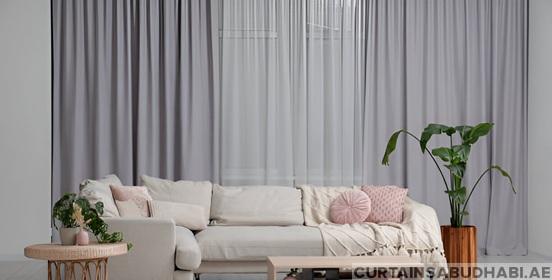
The science behind silk fabric light diffusion and how it softens natural sunlight entering living spaces
Silk is made from natural protein fibers that create a smooth and reflective surface. Unlike synthetic fabrics that can create harsh light reflection, silk gently diffuses incoming sunlight.
Light diffusion benefits include:
- Reducing direct glare entering the room
- Creating soft ambient brightness
- Minimizing sharp shadow formation
- Protecting eyes from high sunlight contrast
Silk fibers naturally scatter light across a wider surface area, helping maintain balanced brightness levels across furniture, walls, and flooring. This effect is especially useful in homes with large windows or strong afternoon sun exposure.
When studying how silk behaves in real residential settings, many homeowners explore material examples such as silk curtains dubai to better understand how silk textures influence natural lighting comfort.
Because silk is lightweight yet dense, it allows light to pass while still providing a degree of privacy during daytime hours.
Environmental benefits of natural fiber curtains compared to synthetic curtain material alternatives
Natural fiber curtains are often considered more environmentally supportive compared to petroleum-based synthetic fabrics. Silk is biodegradable and requires less chemical processing during manufacturing.
Environmental advantages include:
- Lower long-term environmental waste impact
- Reduced microplastic shedding during washing
- Renewable fiber sourcing potential
- Lower static electricity accumulation indoors
Synthetic fabrics often rely on heavy chemical treatments for durability and stain resistance. Natural silk relies more on its natural fiber structure to maintain performance.
Additionally, natural fibers often contribute to better indoor air quality because they do not release volatile synthetic compounds over time.
How silk curtain layering techniques enhance room insulation and acoustic noise reduction effectiveness
Layering silk curtains with secondary linings or sheer layers can significantly improve insulation performance.
Layered curtain systems help:
- Reduce heat transfer through windows
- Stabilize indoor temperature fluctuations
- Minimize outside traffic or street noise
- Improve sleep quality by reducing sound penetration
A common layered structure includes:
- Outer decorative silk curtain
- Thermal or blackout lining layer
- Sheer inner layer for daytime light filtering
Layering helps trap air between fabric layers, which acts as a natural insulating barrier. This approach can reduce the workload on cooling systems during hot seasons.
Understanding different weaving techniques used in silk curtains and their durability performance outcomes
Not all silk fabrics perform the same. Weaving techniques directly influence strength, thickness, and longevity.
Common silk weaving styles include:
Plain Weave Silk
- Lightweight
- Smooth texture
- Best for decorative layers
Twill Weave Silk
- Higher durability
- Better resistance to stretching
- Slightly heavier feel
Jacquard Silk
- Decorative patterns woven into fabric
- Higher density
- Better long-term structural stability
Durability is also influenced by sunlight exposure and humidity levels. Proper lining can significantly increase silk lifespan.
Some homeowners researching textile sourcing options and fabric comparisons sometimes study large retail markets such as the dragon mart curtains section to understand fabric variety and weaving differences available across manufacturers.
Cultural influences behind silk curtain usage in modern Middle Eastern interior design traditions
Silk has long been associated with elegance and craftsmanship across many cultures. In Middle Eastern interiors, silk curtains are often used to balance luxury with functional climate control.
Cultural design influences include:
- Preference for layered window treatments
- Use of natural fabrics in formal living areas
- Focus on privacy while maintaining natural lighting
- Matching curtain colors with architectural stone or marble tones
Silk curtains often appear in spaces designed for relaxation, hospitality, and family gathering areas, where visual softness contributes to comfort.
Modern design trends blend silk with other natural elements such as wood textures and plant-based materials to create balanced interior environments.
For example, combining silk curtains with natural window coverings like bamboo blinds can create layered lighting control while maintaining natural design aesthetics.
How humidity and climate conditions impact silk curtain lifespan and structural fabric stability
Humidity can influence how silk fibers behave over time. While silk is strong, prolonged exposure to moisture can weaken fiber bonds if not properly maintained.
Climate impact factors include:
- High humidity can increase risk of mold growth
- Direct sunlight can gradually fade dye pigments
- Dust buildup can reduce fabric breathability
Protection strategies include:
- Using protective lining layers
- Maintaining indoor humidity balance
- Avoiding prolonged exposure to direct sunlight
- Scheduling periodic professional cleaning
In hot climates, silk curtains perform best when combined with UV-protective window films or secondary shading layers.
Best storage and seasonal care methods to protect delicate curtain fabrics from damage and discoloration
Proper storage ensures silk curtains maintain their texture and shine when not in use.
Recommended storage practices:
Before Storage
- Ensure curtains are fully clean and dry
- Fold loosely to prevent crease damage
- Avoid plastic bags that trap moisture
Storage Environment
- Cool and dry space
- Low humidity environment
- Protection from direct sunlight
During Use
- Rotate curtain exposure if windows receive uneven sunlight
- Avoid spraying harsh cleaning chemicals directly onto silk
Seasonal care helps preserve natural sheen and prevents fiber brittleness.
Conclusion
Silk curtains provide a unique combination of light control, temperature support, and aesthetic softness that enhances interior comfort. Their natural fiber structure supports better light diffusion while helping regulate indoor climate conditions. When combined with proper layering, maintenance, and thoughtful design integration, silk curtains can significantly improve daily living environments.
Understanding silk weaving methods, environmental advantages, and climate response behaviors allows homeowners to maximize the long-term benefits of natural curtain materials. As interior design continues to focus on comfort and sustainability, natural fiber window treatments remain an important component of modern home environments.
FAQs
Why are silk curtains considered effective for light control?
Silk fibers naturally diffuse light, reducing glare while maintaining soft natural brightness indoors.
Are natural fiber curtains better for indoor air quality?
Natural fibers typically release fewer synthetic compounds, supporting cleaner indoor air environments.
How can homeowners protect silk curtains from sun fading?
Using lining layers, rotating curtain exposure, and installing UV window protection can reduce fading risks.
What are the advantages of layered curtains for temperature insulation?
Layered curtains trap air between fabric layers, helping reduce heat transfer and improve room temperature stability.
How do natural fabric curtains contribute to sustainable home design?
Natural fabrics are biodegradable, renewable, and typically require fewer chemical treatments during manufacturing.