

Aluminum blinds offer a sleek and modern solution for window treatments, providing both style and functionality to any room in your home. With their durable construction, versatile design options, and ease of maintenance, aluminum blinds have become a popular choice for homeowners seeking a contemporary look with practical benefits.
In this article, we’ll explore the various styles and design options available for aluminum blinds, highlighting how they can enhance the aesthetic appeal and functionality of every room in your home. Whether you’re looking for a minimalist finish in your living room or a bold statement in your kitchen, aluminum blinds offer versatility to suit any décor theme and personal preference.
Join us as we delve into the world of aluminum blind styles, discovering the endless possibilities for transforming your windows and elevating the ambiance of your living spaces. From sleek metallic finishes to vibrant colors and textured patterns, there’s an aluminum blind style to complement every room and enhance your home’s overall aesthetic.
Brief overview of aluminum blinds
Aluminum blinds are a popular and versatile window treatment option known for their durability, sleek appearance, and ease of maintenance. These blinds are made from lightweight aluminum slats that are resistant to bending, fading, and warping, making them ideal for use in various environments. Available in a wide range of colors, finishes, and styles, aluminum blinds offer homeowners the flexibility to customize their window treatments to match their décor preferences. With features such as adjustable slats for light control and privacy, aluminum blinds provide both functionality and aesthetic appeal to any room in the home.
Advantages and Disadvantages of Aluminum Blinds
Aluminum blinds come with several benefits and drawbacks that should be considered before choosing them as window treatments. Let’s explore the advantages and disadvantages:
Advantages:
Durability: Aluminum blinds are highly durable and resistant to damage from moisture, sunlight, and everyday wear and tear. They maintain their appearance well over time, making them a long-lasting option for window coverings.
Versatility: Available in a wide range of colors, finishes, and slat sizes, aluminum blinds offer versatility to match any décor style or color scheme. Whether you prefer a modern metallic look or a vibrant pop of color, there’s an aluminum blind option to suit your preferences.
Affordability: Compared to other window treatment options like wood blinds or custom draperies, aluminum blinds are generally more budget-friendly. They offer a cost-effective solution for homeowners looking to enhance their windows without breaking the bank.
Easy Maintenance: Aluminum blinds are easy to clean and maintain, requiring only occasional dusting or wiping with a damp cloth to keep them looking fresh and new. Unlike fabric window treatments that may require washing or dry cleaning, aluminum blinds are hassle-free to upkeep.
Light Control: With adjustable slats, aluminum blinds offer precise control over the amount of light entering a room. By tilting the slats, homeowners can achieve the perfect balance of natural light and privacy throughout the day.
Disadvantages:
Limited Insulation: Aluminum blinds provide minimal insulation compared to other window treatments like cellular shades or curtains. While they offer some level of heat and light control, they may not be as effective at reducing energy costs or blocking out noise.
Noise: Aluminum blinds can be prone to rattling or clanging in windy conditions or when being adjusted. This noise may be bothersome to some homeowners, particularly in rooms where peace and quiet is desired.
Less Warmth: The metal construction of aluminum blinds can give them a colder appearance compared to wood or fabric window treatments. In rooms where a cozy atmosphere is desired, aluminum blinds may not contribute as much warmth or texture.
Limited Privacy: While aluminum blinds offer excellent light control, they may not provide as much privacy as thicker window treatments like curtains or blinds with blackout liners. Depending on the slat size and thickness, aluminum blinds may allow some visibility from outside, especially at night.
Potential for Denting: Despite their durability, aluminum blinds are susceptible to denting if struck with enough force. Care should be taken to avoid damaging the slats during installation or while adjusting them.

Aluminum Blind Styles
Aluminum blinds come in a variety of styles, each offering unique features and aesthetic appeal. Here are some popular aluminum blind styles to consider for your home:
Standard Aluminum Blinds: Standard aluminum blinds feature horizontal slats that are typically one inch wide. These blinds offer a classic look and are available in a wide range of colors and finishes to complement any décor.
Mini Blinds: Mini blinds are similar to standard aluminum blinds but feature narrower slats, usually half an inch wide. Mini blinds are ideal for smaller windows or for use in conjunction with other window treatments.
Micro Blinds: Micro blinds are even narrower than mini blinds, with slats that are typically a quarter inch wide. These blinds are perfect for petite windows or for adding a subtle touch of texture to your windows.
Textured Aluminum Blinds: Textured aluminum blinds feature embossed or patterned slats that add visual interest and dimension to your windows. These blinds are available in a variety of designs, including wood grain, brushed metal, and geometric patterns.
Slat Sizes: Aluminum blinds are available in various slat sizes, ranging from half an inch to two inches wide. Larger slats provide a more open view when the blinds are tilted open, while smaller slats offer greater privacy and light control.
Cordless Aluminum Blinds: Cordless aluminum blinds feature a lift mechanism that eliminates the need for cords, providing a cleaner and safer look for your windows. These blinds are ideal for homes with children or pets, as they reduce the risk of entanglement.
Motorized Aluminum Blinds: Motorized aluminum blinds can be operated with the touch of a button or remote control, allowing for convenient adjustment of light and privacy levels. These blinds are perfect for hard-to-reach windows or for homeowners who desire the latest in home automation technology.
Top-Down/Bottom-Up Blinds: Top-down/bottom-up aluminum blinds can be raised from the bottom or lowered from the top, providing versatile light control and privacy options. These blinds are perfect for rooms where you want to let in natural light while maintaining privacy.
Installation Guide of Aluminum Blinds
Installing aluminum blinds is a straightforward process that can be completed with just a few basic tools and some careful measurements. Follow these steps to ensure a successful installation:
Gather Materials: Before you begin, make sure you have all the necessary materials on hand, including your aluminum blinds, mounting brackets, screws, a pencil, a tape measure, a level, and a screwdriver.
Measure Your Windows: Use a tape measure to determine the width and height of your window opening. Record these measurements accurately, as they will determine the size of your blinds.
Mounting Location: Decide where you want to mount your blinds – inside the window frame or outside the frame on the wall or molding. Use a pencil to mark the location of the mounting brackets accordingly.
Attach Mounting Brackets: Hold the mounting brackets in place and use a pencil to mark the screw hole locations on the wall or window frame. Use a screwdriver to attach the brackets securely with the provided screws.
Install Headrail: Slide the headrail of the aluminum blinds into the mounting brackets until it clicks into place. Make sure the headrail is level by using a level before fully securing the brackets.
Hang Blinds: Carefully insert the valance clips into the headrail, making sure they are evenly spaced. Then, snap the valance into place to cover the headrail and mounting brackets.
Test Operation: Once the blinds are securely mounted, test their operation by pulling the lift cord or wand to raise and lower the blinds. Ensure that the blinds move smoothly and evenly without any obstructions.
Adjust Cord Length: If your blinds have a lift cord, adjust the length as needed to ensure it is out of reach of children and pets. Use the provided cord cleat to secure the excess cord and prevent tangling.
Final Adjustments: Make any final adjustments to the blinds to ensure they are level and properly aligned. Use a level and adjust the tilt wand or cord to achieve the desired angle of the slats.
Enjoy Your New Blinds: Once the installation is complete, step back and admire your newly installed aluminum blinds. Enjoy the enhanced privacy, light control, and aesthetic appeal they bring to your home.
Maintenance Tips for Aluminum Blinds
Aluminum blindsare known for their durability and ease of maintenance, requiring only occasional cleaning to keep them looking their best. Follow these simple maintenance tips to prolong the lifespan of your aluminum blinds:
Dust Regularly: Dust your aluminum blinds regularly using a feather duster, soft cloth, or vacuum cleaner with a brush attachment. This will help prevent dust buildup and keep your blinds looking fresh.
Spot Clean as Needed: For stubborn stains or spots, spot clean your aluminum blinds using a mild detergent mixed with water. Dip a soft cloth or sponge into the solution and gently wipe the affected area, then rinse with clean water and allow to air dry.
Avoid Harsh Chemicals: Avoid using harsh chemicals or abrasive cleaners on your aluminum blinds, as these can damage the finish and cause discoloration. Stick to mild cleaning solutions and gentle cleaning techniques to preserve the integrity of your blinds.
Check for Damage: Periodically inspect your aluminum blinds for any signs of damage, such as bent or broken slats, loose cords, or damaged hardware. Replace any damaged components as needed to ensure proper function and appearance.
Lubricate Moving Parts: If your aluminum blinds have a tilt wand or lift cord, lubricate the moving parts periodically with a silicone-based lubricant to ensure smooth operation. Apply a small amount of lubricant to the wand or cord and operate the blinds several times to distribute the lubricant evenly.
Protect from Moisture: Avoid exposing your aluminum blinds to excessive moisture, as this can cause the slats to warp or corrode over time. Keep blinds away from humid areas such as bathrooms and kitchens, and use a dehumidifier if necessary to control moisture levels in your home.
Store Properly When Not in Use: If you plan to store your aluminum blinds for an extended period, such as during a move or home renovation, make sure to store them properly to prevent damage. Roll up or fold the blinds neatly and store them in a dry, climate-controlled environment away from direct sunlight and moisture.
Conclusion
Aluminum blinds are a versatile and practical window treatment option that offers durability, style, and ease of maintenance. With their sleek design, customizable options, and affordability, aluminum blinds have become a popular choice for homeowners looking to enhance the aesthetics and functionality of their windows.
How do aluminum blinds control light?
Aluminum blinds are a versatile and durable window treatment that combines functionality with sleek, modern aesthetics. They are commonly used in homes and offices because of their ability to withstand moisture, resist warping, and require minimal maintenance. One of the key reasons homeowners and designers choose aluminum blinds is their effective light control. Understanding how aluminum blinds manage sunlight and glare can help you maximize comfort, privacy, and energy efficiency in any room.
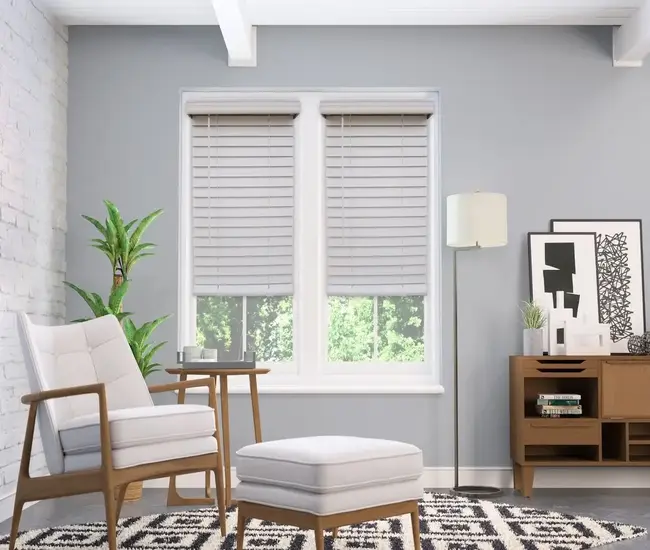
Aluminum blinds control light primarily through the adjustable slats, which can be manipulated in several ways:
- Tilting the Slats The most common method of light control is tilting the horizontal or vertical slats. By changing the angle, you can allow natural light to filter in softly or block direct sunlight entirely. This also helps reduce glare on screens in offices or living rooms.
- Raising or Lowering the Blinds Fully raising aluminum blinds lets in maximum light, while lowering them completely blocks sunlight. Partial adjustments allow you to balance light and privacy according to your preference.
- Layered or Dual Designs Some aluminum blinds come with dual layers or fabric inserts that can diffuse light while maintaining privacy, combining style and function.
- Precision Control Modern aluminum blinds may include motorized or smart-home options, allowing you to fine-tune light levels with a remote, app, or voice command for ultimate convenience.
Room-Specific Customization – By selecting the appropriate slat width, finish, and tilt mechanism, you can achieve optimal light control for different rooms. Narrow slats offer finer light adjustments, while wider slats provide stronger shading.
frequently asked questions about Aluminum Blind Styles
What are aluminum blinds?
Aluminum blinds are window coverings made from lightweight, durable aluminum slats that can be adjusted to control light and privacy.
Which rooms are best suited for aluminum blinds?
They are ideal for kitchens, bathrooms, offices, and living rooms due to their moisture resistance, durability, and ease of maintenance.
Can aluminum blinds be customized?
Yes, aluminum blinds can be tailored to fit any window size and come in various colors, finishes, and slat widths to match your décor.
How do aluminum blinds control light?
The slats can be tilted to regulate sunlight, glare, and privacy. Fully raising or lowering the blinds allows complete light control.
Are aluminum blinds easy to clean?
Yes, they are very low-maintenance. Regular dusting or wiping with a damp cloth keeps them looking new.
Can aluminum blinds be motorized?
Yes, motorized aluminum blinds are available for convenience, especially for large or hard-to-reach windows.