
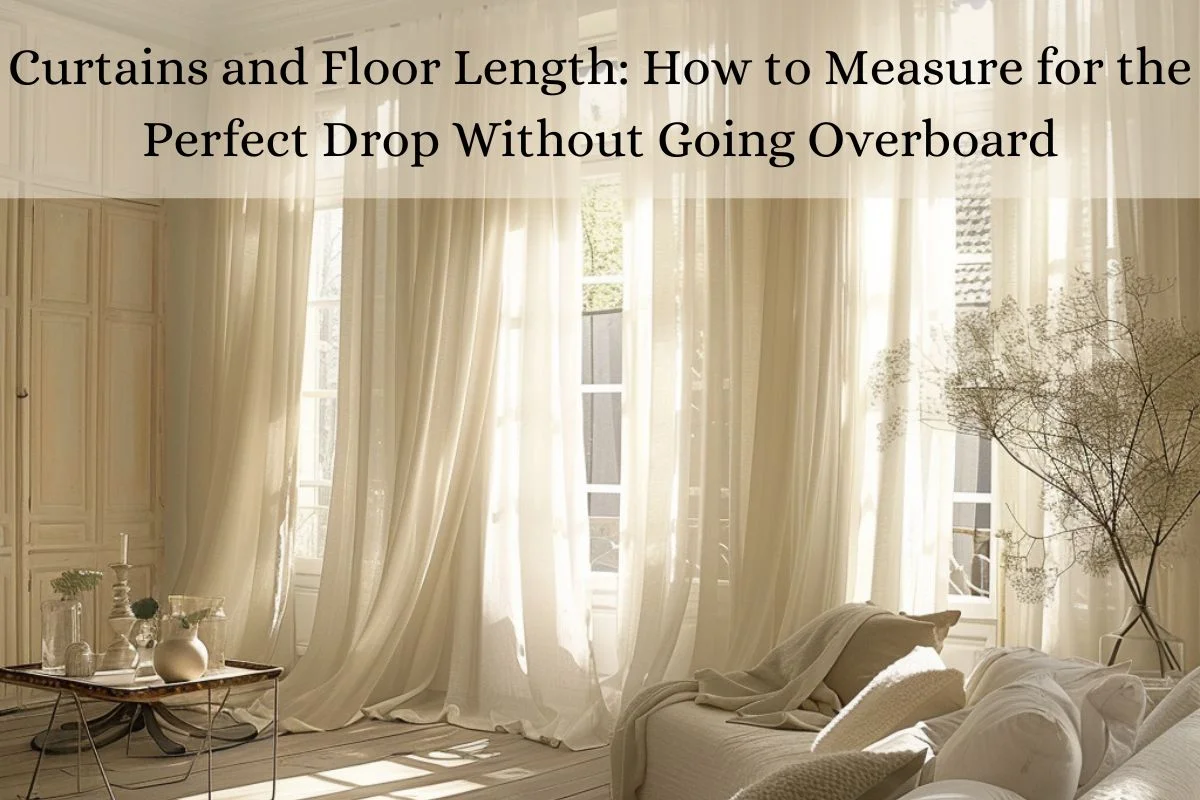
When it comes to dressing windows, choosing the right curtain length is key to achieving a polished and stylish look. But deciding where your curtains should fall—whether grazing the floor, puddling elegantly, or hovering just above—can be a challenge. Measuring for the perfect curtain drop not only enhances the look of your room but also maximizes functionality, providing the desired level of light control, privacy, and insulation. In this guide, we’ll walk you through how to measure your windows to get that ideal curtain drop without overwhelming the room. From standard styles to trending options, let’s explore how to find the perfect length to complement your space beautifully.
Types of Curtain Drops
Curtain drop length significantly impacts a room’s style. The main types are sill, apron, floor, and puddle lengths. Sill-length curtains fall at the window sill, ideal for smaller windows or spaces where furniture is close by. Apron-length curtains extend a few inches below the sill, providing a balanced look without reaching the floor. Floor-length curtains stop just at the floor, offering a clean, modern appearance that’s versatile in most rooms. Puddle-length curtains extend onto the floor, creating a soft, luxurious look suited to formal or traditional spaces. Each style brings a unique touch, setting the mood and functionality.

How to Measure Curtain Length
Measuring curtain length accurately ensures a professional, tailored look. Begin by measuring from the top of the curtain rod to the desired drop point. For sill or apron lengths, measure to the sill or a few inches below. For floor-length curtains, measure to the floor, subtracting half an inch for a clean finish without touching the ground. For puddle curtains, add a few inches beyond the floor for a relaxed, flowing effect. Consider rod height and type (inside or outside mount) as they impact final measurements. Double-check measurements to avoid errors and ensure a flawless installation.
Best Curtain Lengths for Different Room Types
The room type often determines ideal curtain lengths. In living rooms, floor-length or puddle curtains add sophistication and suit large windows. Bedrooms benefit from floor-length curtains for a cozy, full-coverage look that also aids in blocking light. For kitchens, sill or apron lengths work best for functionality, keeping fabrics away from countertops and appliances. In bathrooms, sill-length curtains provide privacy while avoiding excess moisture. Dining rooms pair well with either floor or puddle lengths, adding elegance. Selecting the right drop for each room enhances style, functionality, and comfort, reflecting the specific needs of each space.
Common Mistakes to Avoid
Avoid common mistakes to achieve a well-tailored curtain look. One frequent error is choosing curtains that are too short, which can appear “high-water” and disrupt the room’s flow. Measuring too long can lead to excessive puddling, making curtains look messy or difficult to manage. Not accounting for rod height is another pitfall; ensure the rod is at the correct level before measuring. For floor-length curtains, remember to account for floor variations. Avoid using curtains too narrow for the window as they won’t fully close or drape well. Proper measuring and planning eliminate these mistakes for an elegant look.
Choosing the Right Fabric and Style for the Drop
Curtain fabric and style directly affect how well a chosen drop length works. Lighter fabrics like sheers or linens are ideal for sill or apron lengths, as they provide a soft flow without looking bulky. Heavier fabrics, such as velvet or damask, create a beautiful drape at floor or puddle length, adding weight and depth to larger spaces. Fabric choice should also match the room’s style: modern rooms suit clean, structured materials, while traditional spaces may call for luxurious, heavier textiles. Picking the right fabric creates a cohesive look and supports the functional demands of each drop length.
Tips for Getting a Custom Look
Achieving a custom curtain look can elevate a space’s sophistication. For store-bought curtains, hemming allows you to adjust to a precise length, whether by sewing or using iron-on hemming tape. Adding curtain weights at the bottom helps improve the curtain’s drape, giving a more structured and tailored appearance. Consider having curtains made to measure for an exact fit and personalized style. For a unique touch, opt for custom header styles like pinch pleats or grommets, which add decorative detail. Investing in a custom look enhances your curtains’ aesthetic, ensuring they complement the room perfectly and reflect your style.

Styling Tricks to Enhance Curtain Drop
Styling elements can enhance any curtain drop for added visual appeal. Tiebacks and holdbacks allow you to gather curtains for a decorative drape, giving floor-length curtains a classic, formal look. Trim options, like tassels or beads, add detail and flair to the curtain edge, elevating basic lengths. Layering sheers behind heavier curtains offers a blend of privacy and light control while creating depth. Mixing different drop lengths in open-plan spaces can define zones, adding interest without overwhelming the room. Styling tricks like these create a customized look, making the curtains a true design feature in the space
Maintaining the Perfect Drop Over Time
Keeping curtains looking fresh and at the perfect length requires proper maintenance. For fabrics prone to shrinkage, avoid machine washing and opt for dry cleaning or steam cleaning. If curtains become stretched, fabric weights or steaming can help restore their original drop. Consider curtain liners to protect against sun damage, which causes fabrics to fade or weaken. Regularly dust or vacuum to maintain cleanliness without heavy washing. In high-traffic areas, secure hems and sides to prevent fraying. Following these maintenance tips will keep your curtains looking new, helping them retain their beautiful drape and desired length.
conclusion
Achieving the perfect curtain drop is more than just a matter of measurements; it’s a blend of style, practicality, and personalization. From selecting the right drop length and fabric to ensuring accurate measurements and maintaining the curtains over time, each step plays a crucial role in elevating a room’s decor. Well-chosen curtains frame your windows beautifully, balancing form and function, while enhancing the room’s ambiance.
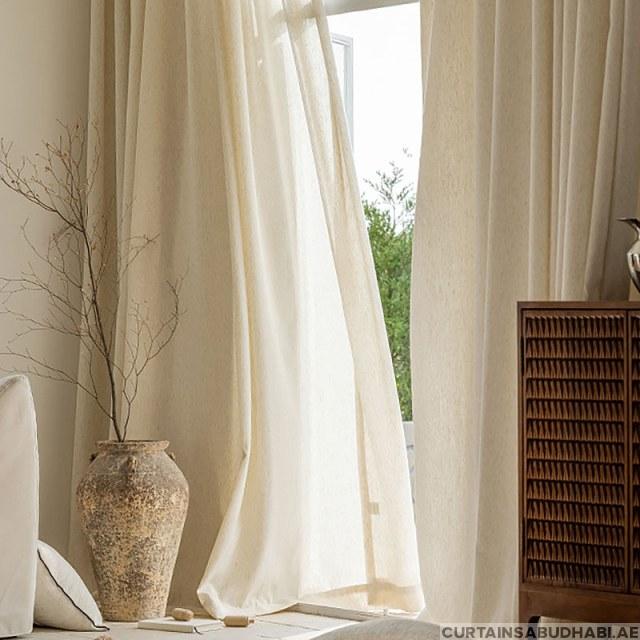
How much extra fabric should I order for hemming?
When planning to make or order curtains, getting the measurements right is essential to achieve a polished and elegant look. One often-overlooked aspect is hemming allowance—the extra fabric needed to properly finish the top, bottom, and sides of the curtain. Without accounting for hemming, your curtains may end up too short, uneven, or ill-fitting, which can ruin the overall aesthetic of your space. Whether you’re installing floor-length curtains, bay window treatments, or simple window panels, knowing how much extra fabric to order ensures a professional finish and avoids costly mistakes.
Tips for Success:
- If your curtains are floor-length, consider the type of flooring carpet thickness or raised thresholds may require slightly longer hems.
- For puddling curtains (where fabric pools slightly on the floor), add an extra 5–10 cm to the bottom hem for the desired effect.
- Always round up slightly when ordering extra fabric to allow flexibility during sewing or installation.
Accounting for hemming ensures your curtains fit perfectly, look elegant, and maintain their style and functionality for years to come.
frequently asked questions about Curtains and Floor Length
How do I measure curtains for floor length?
Measure from the top of the curtain rod to the floor, ensuring you allow for the desired clearance (e.g., touching, just above, or slightly pooling).
Should curtains touch the floor or hang above it?
It depends on your style preference: “puddling” adds elegance, while a slight clearance (about 1–2 cm) gives a clean, modern look.
What is the most common curtain drop length?
Most curtains are designed to just graze the floor or hover slightly above it for a neat finish.
Does curtain fabric affect how it should hang?
Yes. Heavier fabrics like velvet may need extra support or slightly longer drops, while lightweight fabrics like linen drape more easily.
How do I avoid curtains looking too short or too long?
Carefully measure your windows and the distance from rod to floor, accounting for any floor molding or carpet thickness.
Can I customize the drop length for non-standard windows?
Absolutely. Custom-made curtains can be tailored for bay windows, sliding doors, or irregular shapes to ensure a perfect fit.