
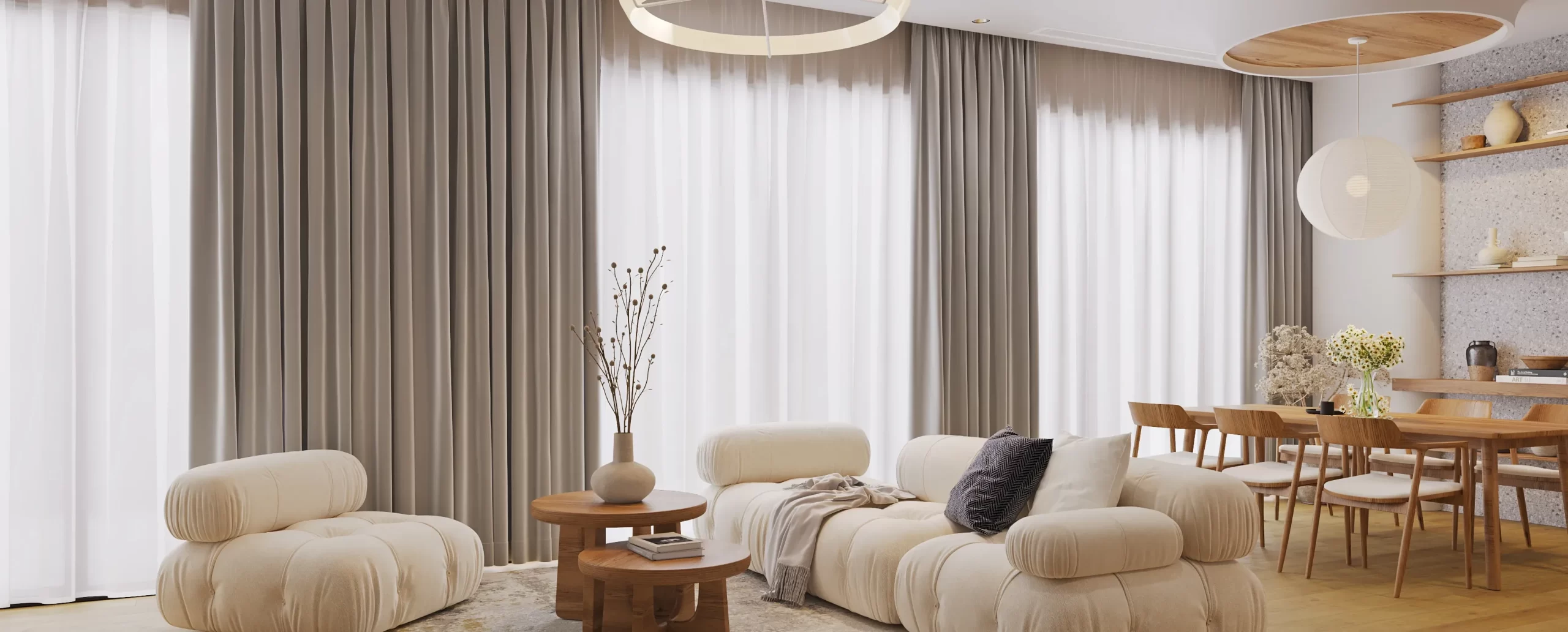
Window coverings have evolved from simple fabric panels into advanced interior design elements that influence comfort, lighting, and energy efficiency. Modern curtain solutions combine material science, textile engineering, and functional design to meet the needs of contemporary homes and commercial environments. Among these advanced solutions, structured curtain systems have gained attention for their durability, aesthetic consistency, and climate adaptability.
In regions with intense sunlight and high temperatures, such as Abu Dhabi, curtain performance becomes especially important. Curtains are no longer just decorative accessories; they play a role in reducing indoor heat, protecting furniture, and improving overall living comfort. Understanding how modern curtain systems function helps property owners and designers make better long-term interior design decisions.
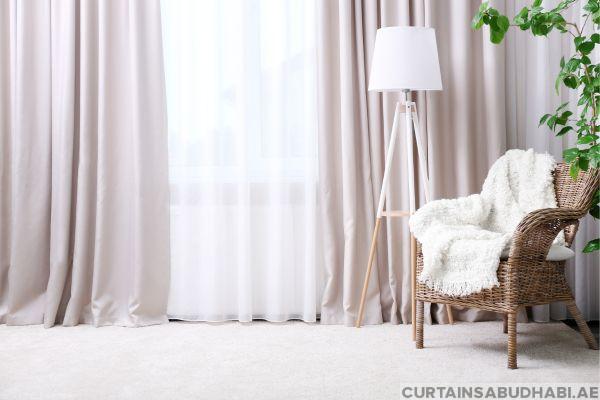
Exploring the material composition used in sedar curtains and how it affects performance and longevity
Curtain performance largely depends on fabric composition. Advanced curtain systems often combine natural fibers with engineered synthetic materials to achieve a balance between softness, durability, and environmental resistance.
Common material characteristics include:
- High thread count for better light blocking
- Reinforced fiber structures for durability
- Fade-resistant dye technology
- Dust-resistant surface finishes
Material engineering directly impacts how curtains perform over time. High-quality fabrics maintain their structure even after years of sunlight exposure and daily use. This is especially important in regions where curtains are exposed to strong sunlight for most of the year.
When people research structured curtain systems for long-term use, they often explore resources discussing sedar curtains to understand how engineered textile construction contributes to durability and consistent appearance.
How curtain lining layers contribute to energy efficiency, privacy, and external light control indoors
Curtain lining layers add functional value beyond the main decorative fabric. Modern curtain systems often use multiple layers designed for specific environmental functions.
Common lining benefits include:
- Thermal insulation to reduce indoor heat gain
- Blackout lining for improved sleep quality
- Noise reduction for urban environments
- Protection against UV radiation
Multi-layer curtain construction helps maintain indoor temperature balance. By reducing heat transfer through windows, curtains help improve indoor comfort without relying solely on cooling systems.
In hot climate environments, lining layers can significantly reduce indoor temperature fluctuations, improving energy efficiency and creating more stable living environments.
The importance of correct curtain measurement and installation for achieving professional interior results
Accurate measurement and installation directly affect curtain functionality and visual appeal. Poorly measured curtains can create light gaps, uneven folds, or poor insulation performance.
Key measurement considerations include:
- Measuring window width including wall overlap
- Determining ideal curtain height based on room design
- Considering floor clearance for easy maintenance
- Accounting for curtain pleat expansion
Proper installation ensures smooth curtain movement and consistent coverage. For homeowners researching installation standards and regional curtain solutions, many review resources related to curtain abu dhabi to understand installation practices suited for high sunlight environments.
Professional installation also ensures curtain hardware can support long-term daily use without structural wear.
Comparing different curtain heading styles and how they influence curtain drape and visual aesthetics
Curtain heading style determines how fabric folds and hangs across the window. Different heading styles create different visual effects and functional performance levels.
Popular heading styles include:
- Pencil pleat for classic interiors
- Eyelet style for modern minimal designs
- Pinch pleat for structured luxury appearance
- Wave heading for smooth contemporary flow
Heading style also affects light filtering and insulation performance. Structured pleats tend to create better coverage consistency, while looser headings allow more natural light diffusion.
Selecting the right heading style helps balance design aesthetics with functional requirements such as privacy and sunlight control.
How curtain hardware selection impacts curtain movement, durability, and overall installation stability
Curtain hardware plays a crucial role in curtain system longevity and usability. Strong hardware ensures smooth curtain operation and supports heavy multi-layer curtain fabrics.
Important hardware features include:
- Rust-resistant coating for humid environments
- Load-bearing capacity for thick fabrics
- Smooth glide track systems
- Secure wall mounting systems
High-quality hardware prevents curtain sagging, uneven folding, or track misalignment. When selecting hardware components, many homeowners research options such as curtain rods to understand structural differences and material durability across hardware types.
Reliable hardware ensures consistent curtain operation for years without requiring frequent replacement.
Understanding how curtain color psychology influences mood, productivity, and interior design harmony
Curtain color affects how people experience interior spaces. Color psychology plays a role in mood regulation, visual comfort, and overall room atmosphere.
Color impact examples:
- Light colors increase brightness and space perception
- Dark colors improve privacy and light blocking
- Neutral tones support flexible interior design themes
- Earth tones create calming natural environments
Color selection should consider both natural lighting levels and interior design elements such as wall paint, furniture color, and flooring materials.
Balanced color selection helps maintain visual harmony across living spaces while supporting practical lighting control.
Maintenance routines that help prevent fabric fading, dust buildup, and structural wear over time
Proper curtain maintenance extends fabric lifespan and preserves visual quality. Curtains are constantly exposed to dust, sunlight, and air pollutants, which can degrade fabric over time.
Recommended maintenance practices:
- Weekly light vacuuming using fabric-safe attachments
- Periodic fabric steaming to remove wrinkles and bacteria
- Following manufacturer washing instructions
- Rotating curtain panels to balance sunlight exposure
Consistent maintenance prevents permanent staining, fabric weakening, and color fading. Preventative care ensures curtains maintain both function and appearance over long periods.
Conclusion
Modern curtain systems combine textile engineering, installation precision, and interior design principles to provide both aesthetic and functional benefits. From fabric composition to hardware selection, every element contributes to curtain performance and durability.
Understanding material selection, climate considerations, and maintenance routines helps property owners choose curtain systems that support comfort, privacy, and long-term interior design stability. With proper planning and maintenance, modern curtain solutions can provide consistent performance in challenging environmental conditions.
FAQs
What materials are commonly used in sedar curtains?
They typically combine natural fibers and engineered synthetic materials to balance softness, durability, and environmental resistance.
How do curtain linings improve insulation and light blocking?
Lining layers create additional barriers that reduce heat transfer, block sunlight, and improve indoor privacy.
What curtain heading style works best for modern homes?
Wave and eyelet headings are commonly preferred for modern interiors due to their clean and minimal appearance.
How do curtain rods affect curtain functionality and lifespan?
High-quality rods ensure smooth movement, prevent sagging, and support heavy curtain fabrics safely.
How can curtain colors influence room atmosphere and lighting?
Colors affect brightness, mood, and perceived space size, helping shape how a room feels and functions.