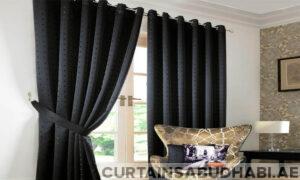

Curtains are no longer just decorative accessories used to frame windows. In modern interiors, they play a critical role in improving indoor comfort, supporting temperature control, managing natural light, and enhancing privacy. As architecture evolves and living spaces become more energy-conscious, curtain selection has become more technical and purposeful.
In regions with strong sunlight, humidity variations, and dust exposure, curtain materials and construction must support both durability and environmental performance. Understanding how curtains interact with indoor climate, airflow, and lighting allows homeowners to create more comfortable living environments. This article explores how curtain design, fabric selection, and manufacturing quality contribute to modern interior comfort.
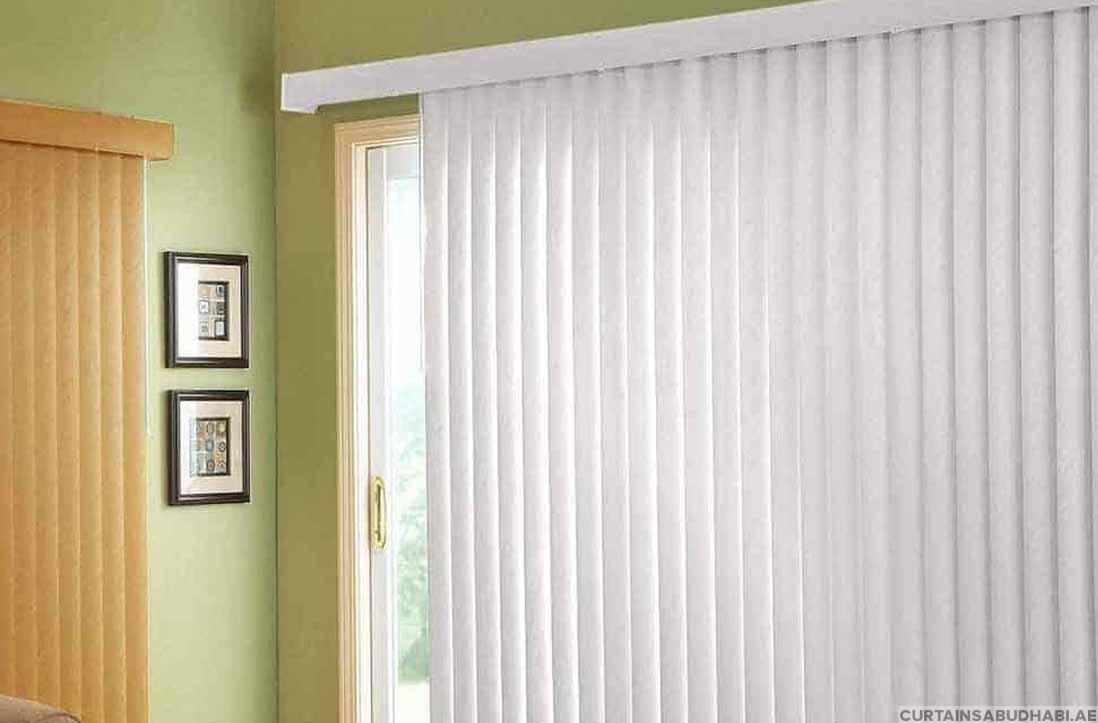
How climate conditions influence curtain material selection in desert and coastal regions
Climate is one of the most important factors influencing curtain material selection. In desert regions, intense sunlight and heat exposure require fabrics that resist fading and reduce heat transfer. In coastal environments, moisture resistance and airflow become equally important.
Curtains designed for these climates typically focus on:
- UV-resistant fiber treatments
- Heat reflective backing materials
- Mold and moisture resistant coatings
- Breathable yet durable weave structures
In environments with high sun exposure, homeowners often research regional options such as sedar curtains uae to understand how curtain materials are engineered to withstand harsh weather conditions while maintaining indoor comfort levels.
Selecting climate-appropriate materials helps maintain curtain quality while improving indoor temperature stability.
Understanding the importance of curtain layering for enhanced privacy and insulation
Curtain layering combines multiple fabric layers to achieve better functional performance. Typically, layering includes sheer curtains paired with heavier blackout or thermal curtains.
Layering benefits include:
- Flexible light control throughout the day
- Improved nighttime privacy
- Better thermal insulation
- Reduced external noise penetration
During daytime, sheer layers allow natural light while maintaining visibility control. At night, thicker outer layers block external light and help regulate indoor temperature.
Layered curtains also help reduce glare on screens, which improves comfort in work-from-home environments.
The impact of natural silk fibers on airflow and indoor humidity balance in homes
Natural fibers like silk offer unique airflow and moisture-regulation properties. Silk allows subtle air movement while maintaining a soft and elegant fabric structure. This balance makes silk curtains suitable for spaces requiring breathable yet decorative window coverings.
When evaluating fabrics such as silk curtains, homeowners often consider:
- Natural humidity balancing ability
- Smooth light diffusion properties
- Lightweight draping quality
- Reduced static dust attraction compared to synthetics
Silk is particularly effective in maintaining comfortable indoor environments because it helps regulate micro air circulation around windows.
However, silk typically requires careful maintenance and may need protective lining in areas with direct sunlight.
How curtain color psychology affects mood, productivity, and relaxation indoors
Curtain color significantly influences emotional comfort and perceived room atmosphere. Different colors create different psychological responses.
Examples include:
- Soft neutrals – Promote calmness and relaxation
- Cool blues and greens – Support focus and mental clarity
- Warm earth tones – Create cozy and grounded environments
- Light pastels – Enhance brightness and openness
Color selection should consider room function. Bedrooms benefit from calming shades, while home offices may benefit from colors that support focus and alertness.
Curtain colors also influence how natural light reflects inside a room, affecting overall brightness and visual warmth.
Exploring manufacturing standards used in premium curtain production across the region
Modern curtain manufacturing combines advanced textile technology with quality control standards. High-quality production focuses on both visual finish and functional durability.
Important manufacturing elements include:
- Precision cutting technology
- Heat-resistant thread stitching
- UV protective coating applications
- Fabric tension testing for long-term hanging stability
Many regional production hubs focus on balancing aesthetic design with environmental performance. Large market suppliers such as those offering dragon mart curtains often reflect diverse manufacturing approaches influenced by international textile production standards.
These production standards help ensure curtains maintain their shape, color, and performance under demanding environmental conditions.
The relationship between curtain weight and long term hanging structure stability
Curtain weight affects both visual draping quality and structural installation requirements. Heavier curtains typically provide better insulation and light blocking, but require stronger support systems.
Weight considerations include:
- Fabric thickness and density
- Lining layers
- Pleat style fabric usage
- Curtain length and width
Heavier curtains often create more luxurious draping effects but must be supported by strong installation hardware. Improper support can cause rod bending or uneven curtain fall.
Balancing fabric weight with structural support ensures long-term stability and consistent curtain appearance.
Cleaning and preservation methods suitable for delicate and luxury curtain fabrics
Luxury curtain fabrics require specific care routines to maintain their quality and lifespan. Incorrect cleaning methods can damage fibers, weaken stitching, or fade colors.
Recommended maintenance practices include:
Routine Care
- Light vacuum cleaning every 2–4 weeks
- Gentle dust shaking in outdoor areas
- Avoiding excessive direct sunlight exposure
Deep Cleaning
- Professional dry cleaning for delicate fabrics
- Hand washing for certain natural fiber curtains
- Using mild detergents without harsh chemicals
Storage Tips
- Store in breathable fabric covers
- Avoid plastic wrapping for long-term storage
- Keep away from moisture and humidity
Proper maintenance ensures curtains continue to provide comfort benefits while maintaining their visual elegance.
Conclusion
Curtains play a vital role in shaping indoor comfort, especially in regions with strong sunlight and varied climate conditions. From material selection and layering techniques to manufacturing standards and maintenance routines, every detail contributes to curtain performance.
Understanding how curtains influence airflow, lighting control, temperature regulation, and emotional comfort helps homeowners create balanced living spaces. By focusing on fabric quality, installation structure, and environmental compatibility, curtains can significantly enhance modern interior comfort for many years.
FAQs
Why are silk curtains considered premium window treatments?
Silk curtains are valued for their natural fiber softness, light diffusion quality, and breathable fabric structure that supports airflow and comfort.
How do curtains contribute to indoor energy efficiency?
Curtains help reduce heat gain during hot seasons and retain indoor warmth during cooler periods, supporting stable indoor temperatures.
What curtain fabrics are best for blocking strong sunlight?
Dense polyester blends, blackout-lined fabrics, and layered curtain systems are typically most effective for strong sunlight control.
How long do high quality curtains usually last?
With proper maintenance and correct installation, high-quality curtains can last between 5 to 10 years or longer depending on environmental exposure.
Can curtain fabric affect indoor air circulation quality?
Yes, breathable fabrics allow better air movement around windows, helping maintain fresh indoor airflow and balanced humidity levels.