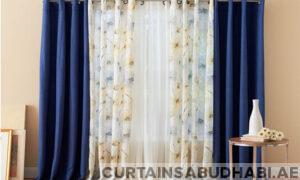

Curtains play a major role in controlling light, maintaining privacy, and supporting interior comfort, especially in regions with strong sunlight and dusty environments. In hot desert climates, selecting the right curtain fabric is not just about appearance — it directly impacts temperature control, energy efficiency, and indoor air quality. Understanding how curtain materials behave in extreme conditions helps homeowners and renters make informed long-term decisions.
Urban areas such as Dubai experience intense sun exposure for most of the year. This makes curtain selection more technical than decorative. Factors like fabric density, layering, and installation precision all influence how well curtains perform. This guide explains the essential knowledge behind curtain fabrics, maintenance, installation, and regional design influences.
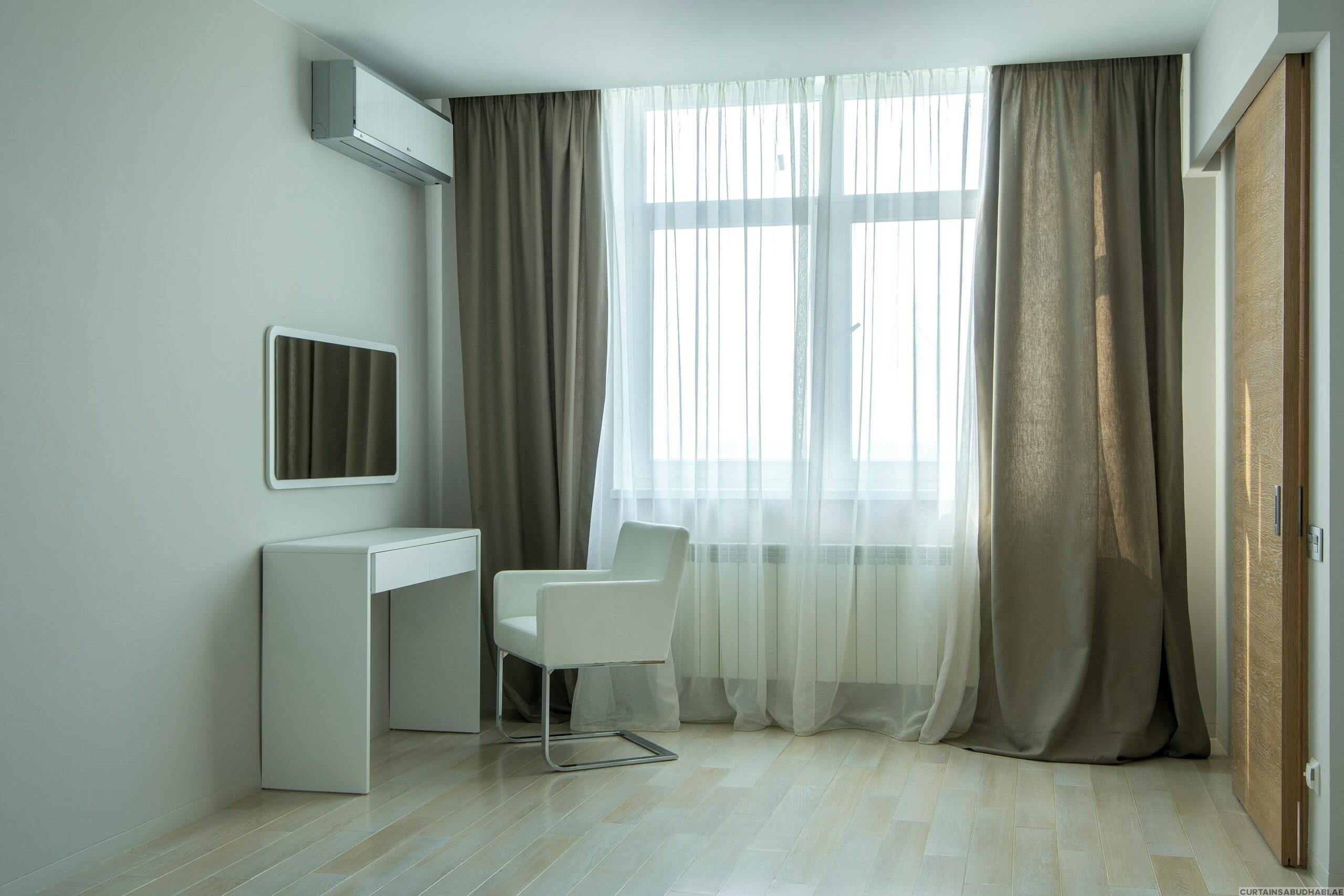
Understanding how climate conditions influence curtain fabric durability and performance in coastal desert regions
Desert climates combine heat, UV radiation, humidity shifts, and airborne dust. These elements gradually break down curtain fibers if materials are not selected carefully.
Key climate challenges affecting curtain performance include:
- Constant UV exposure that weakens natural fibers
- Fine sand particles that accumulate inside weave structures
- Temperature fluctuations between day and night
- Occasional humidity spikes in coastal areas
High-performance curtain fabrics often include:
- UV-resistant polyester blends
- Tightly woven cotton-polyester hybrids
- Treated linen designed for sunlight resistance
When researching regional fabric solutions, many residents explore local options such as curtains satwa dubai to understand material suitability for desert-facing windows and balcony installations.
Durability also depends on curtain color. Darker colors typically resist visible dust buildup better, while lighter fabrics reflect heat more effectively.
Key differences between blackout, sheer, and layered curtain materials for residential privacy and lighting control
Curtain functionality varies depending on weave density and layering structure. Understanding how each category works helps match fabric to room purpose.
Blackout Curtains
- Block 90–100% of sunlight
- Help regulate indoor temperatures
- Ideal for bedrooms and media rooms
Sheer Curtains
- Allow diffused natural light
- Maintain daytime privacy
- Work well in living spaces
Layered Curtain Systems
- Combine decorative and functional layers
- Allow flexible light control
- Improve insulation performance
Layering systems are especially useful in sun-facing apartments where morning and afternoon light angles vary significantly.
How window size, ceiling height, and interior layout affect curtain length and fullness calculations
Curtain sizing is a structural design decision rather than a decorative choice. Incorrect measurements reduce insulation effectiveness and visual balance.
Important measurement factors include:
Window Width Coverage
- Curtains should extend beyond window edges
- Prevents side light leakage
Ceiling Height Impact
- Floor-length curtains visually enlarge rooms
- Ceiling-mounted tracks improve height perception
Fabric Fullness Ratio
Standard fullness ranges:
- Sheer curtains: 2–2.5x window width
- Heavy curtains: 1.5–2x window width
Installation accuracy becomes especially important in modern apartments where window frames are flush with walls.
Common installation structure differences across villas, apartments, and commercial interiors in urban neighborhoods
Installation structures vary based on building style and wall materials.
Typical installation differences include:
Residential Villas
- Reinforced concrete walls
- Larger window spans
- Often require double-track curtain systems
Apartments
- Gypsum or mixed wall materials
- Space-saving mounting solutions
- Lightweight track systems
Commercial Spaces
- Fire-rated fabrics sometimes required
- Motorized curtain options common
- Wider window panels
Many property owners research professional methods such as curtain installation abu dhabi to understand structural mounting differences across building types.
Installation affects long-term curtain lifespan because poor mounting creates uneven weight distribution.
Maintenance routines required to prevent dust buildup and fabric fading in high sunlight exposure environments
Routine maintenance dramatically increases curtain lifespan. Dust and UV damage are the two biggest threats in desert regions.
Recommended maintenance schedule:
Weekly
- Light vacuum with upholstery attachment
- Shake out sheer curtains
Monthly
- Steam cleaning for heavy fabrics
- Inspect curtain rods and tracks
Every 6–12 Months
- Professional deep cleaning
- UV damage inspection
Avoid harsh chemical cleaners because they weaken fiber coatings designed for UV protection.
How professional measurement standards help avoid light leakage and uneven curtain draping issues
Professional measurement focuses on three main goals:
- Eliminating side light gaps
- Ensuring even floor clearance
- Maintaining symmetrical fabric folds
Common measurement mistakes include:
- Measuring only glass size, not frame size
- Ignoring wall unevenness
- Using incorrect rod extension widths
Professional measurement ensures curtains maintain visual structure even after years of daily use.
Regional interior design trends influencing curtain color palettes and textile choices across emirate cities
Interior design trends vary based on architecture style, lifestyle, and environmental exposure.
In cities like Al Ain, interior trends often favor:
- Neutral desert-inspired tones
- Breathable natural-look fabrics
- Lightweight layered curtain designs
In contrast, coastal and capital regions such as Abu Dhabi often incorporate:
- Textured layered fabrics
- Neutral base curtains with decorative overlays
- Heat-reflective backing materials
Many residents exploring regional curtain variations often review options like curtains al ain to understand fabric trends suited to inland climates versus coastal environments.
Conclusion
Curtain fabric selection in desert climates requires balancing design, durability, and environmental performance. Factors such as UV exposure, dust accumulation, installation structure, and maintenance routines all contribute to how well curtains perform over time. Understanding these variables helps homeowners and renters choose curtain solutions that maintain appearance and function under extreme climate conditions.
Well-chosen curtain materials not only improve interior comfort but also support long-term energy efficiency and reduce replacement frequency.
FAQs
What curtain fabrics work best in hot climates?
Polyester blends, treated linen, and dense cotton-poly fabrics typically perform best due to UV resistance and durability.
How often should curtains be professionally cleaned?
Most curtains benefit from professional cleaning every 6–12 months depending on dust exposure and fabric type.
What is the difference between blackout and thermal curtains?
Blackout curtains focus on light blocking, while thermal curtains focus on insulation and temperature regulation.
How do curtain lengths affect room aesthetics?
Floor-length curtains visually increase ceiling height and create a more finished interior appearance.
What are the most durable curtain materials for long-term use?
Polyester blends, acrylic-treated natural fibers, and tightly woven synthetic fabrics typically offer the longest lifespan in high-sun environments.