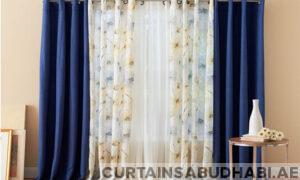

Curtains are a major functional and aesthetic component of modern interior spaces. In fast-growing metropolitan environments, window treatments must adapt to architecture, sunlight intensity, and modern lifestyle needs. Urban housing designs, especially high-rise apartments and contemporary villas, demand curtain systems that provide flexibility between light control, privacy, and visual harmony with interior décor.
In cities such as Dubai, rapid urban development has influenced how interior elements are selected. Large glass windows, skyline-facing apartments, and modern architectural layouts mean curtains are no longer just decorative additions. Instead, they are integrated elements that help manage indoor temperature, daylight control, and overall living comfort.
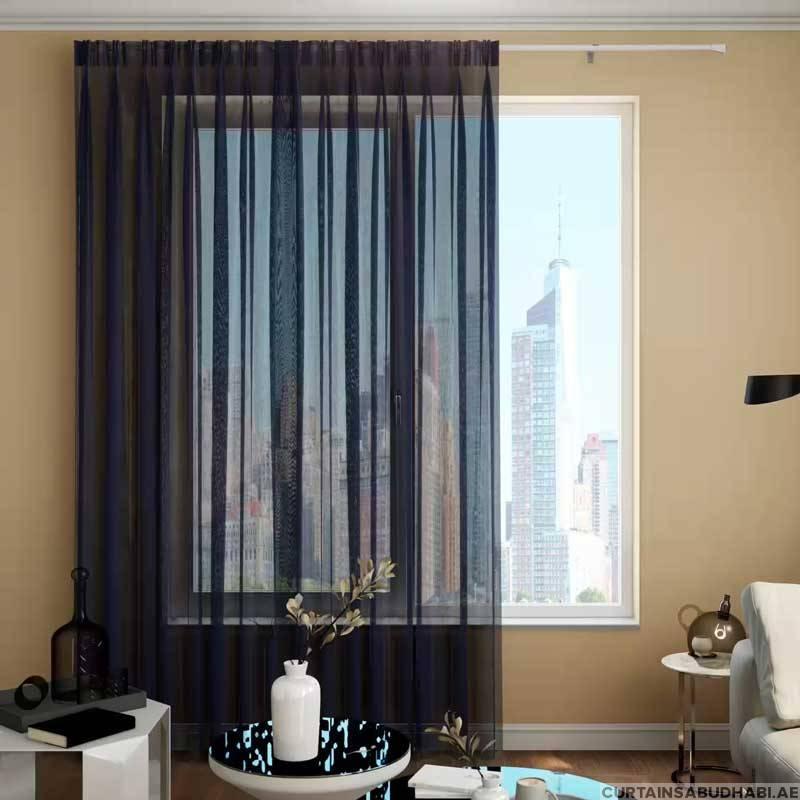
How urban apartment layouts influence curtain length, layering, and mounting style decisions
Modern apartments often include floor-to-ceiling windows and wide glass panels. These architectural features require longer curtain lengths and stronger mounting systems to ensure proper function and visual balance.
Key layout factors influencing curtain decisions include:
- Floor-to-ceiling windows requiring extended curtain drops
- Sliding glass doors needing flexible track systems
- Open-plan living areas needing layered curtain setups
- Corner windows requiring custom rod or track solutions
When evaluating fabric types and structural compatibility, some residents study material and installation examples through informational resources such as sedar curtains dubai to better understand how curtain designs adapt to modern window structures.
Layered curtains are especially useful in apartments because they allow residents to control privacy and sunlight throughout the day without completely blocking natural lighting.
Understanding modern interior aesthetics and how curtain fabrics contribute to overall visual balance
Modern interior design focuses on simplicity, balance, and clean lines. Curtains contribute significantly to maintaining visual consistency in living spaces.
Common modern curtain aesthetic trends include:
- Neutral colors such as beige, grey, and soft white
- Smooth, matte fabric finishes
- Minimal visible stitching or heavy patterns
- Lightweight layered systems rather than bulky single fabrics
Curtain fabric choice often depends on how it interacts with:
- Wall color
- Flooring material
- Furniture upholstery
- Lighting fixtures
Many homeowners researching design consistency review general window treatment examples and configurations through informational portals such as curtains shops in abu dhabi to understand how fabric textures complement modern interior layouts.
Modern aesthetics also emphasize natural light diffusion rather than complete light blocking, especially in living rooms and shared spaces.
The importance of sunlight direction and glass window size in choosing curtain thickness and opacity
Sunlight direction significantly affects indoor temperature and brightness. Larger windows allow more sunlight to enter, which may increase indoor heat levels during peak daylight hours.
Sunlight exposure considerations include:
- East-facing windows receive intense morning light
- West-facing windows receive strong afternoon heat
- South-facing windows receive consistent daylight exposure
- North-facing windows receive softer indirect lighting
Thicker fabrics or blackout layers are typically used for rooms exposed to strong afternoon sunlight. Meanwhile, sheer fabrics work better in rooms receiving softer natural light.
In regions across the United Arab Emirates, managing sunlight efficiently helps reduce cooling energy consumption and improves indoor comfort throughout the year.
How curtain hardware structure affects fabric draping, movement, and long-term durability
Curtain hardware plays a crucial role in both appearance and functionality. Poor-quality hardware can cause uneven draping, fabric stress, or track misalignment over time.
Hardware factors influencing performance include:
- Rod thickness and load capacity
- Track material durability
- Bracket placement and spacing
- Motorized vs manual track systems
For layered curtains or heavier blackout fabrics, hardware strength becomes even more critical. Some homeowners research installation compatibility and mounting support structures through educational pages such as curtains rod to understand how rod strength impacts curtain longevity.
Strong hardware ensures smooth curtain movement and prevents fabric tearing near mounting points.
Differences between decorative curtains and functional light-management window coverings
Decorative curtains mainly focus on visual appeal, while functional curtains focus on performance characteristics such as light blocking, insulation, and privacy control.
Decorative Curtain Characteristics
- Lightweight fabrics
- Visual texture or patterns
- Minimal insulation properties
Functional Curtain Characteristics
- Multi-layered structure
- Thermal or blackout lining
- Noise reduction properties
Many modern interiors combine both decorative and functional layers to achieve aesthetic beauty without sacrificing performance.
How to match curtain textures with flooring, furniture upholstery, and wall finishing materials
Matching curtain texture with interior materials creates visual continuity. Designers often recommend coordinating textures rather than matching colors exactly.
Examples of effective texture coordination include:
- Matte curtain fabrics with glossy tile floors
- Textured curtains with smooth leather furniture
- Linen-style curtains with wooden flooring
Coordinating materials helps create balanced interiors that feel comfortable and visually unified.
Practical ways to maintain curtain appearance while reducing dust buildup and fabric wear
Curtain maintenance is essential in urban environments where dust accumulation can occur quickly.
Recommended maintenance practices:
- Weekly vacuuming using soft brush attachments
- Avoiding direct fabric contact with open windows during sandstorms
- Using fabric protectors where appropriate
- Professional cleaning for heavy fabrics every few months
Regular maintenance prevents fiber weakening and color fading caused by dust and sunlight exposure.
Conclusion
Curtains play a vital role in shaping interior comfort, lighting control, and design balance in modern homes. Urban architecture, sunlight intensity, and interior design trends all influence curtain selection. By understanding how layout, hardware, and fabric performance interact, residents can choose curtain solutions that remain functional and visually appealing for years.
Thoughtful curtain selection ensures better indoor comfort, improved energy efficiency, and consistent interior aesthetics across different living spaces.
FAQs
What curtain styles work best for high-rise apartments?
Layered curtains combining sheer and blackout fabrics usually work best because they allow flexible light and privacy control.
How do sheer curtains impact natural light inside rooms?
Sheer curtains soften incoming sunlight, reducing glare while still allowing natural brightness to enter the room.
What is the difference between decorative and functional curtains?
Decorative curtains focus mainly on appearance, while functional curtains focus on light control, insulation, and privacy.
How can curtains help improve indoor privacy?
Thicker fabrics and layered curtain systems can block external visibility while still allowing adjustable light entry.
What curtain materials are easiest to maintain long term?
Polyester blends and treated cotton fabrics are typically easier to clean and more resistant to fading and dust damage.