

Managing natural light inside homes is essential for comfort, productivity, and overall well-being. In regions with intense sunlight, window treatments play an even more critical role in controlling glare, reducing indoor heat, and protecting interior furnishings. The right window covering solution can transform living spaces by improving lighting balance and supporting energy efficiency.
Homeowners today have access to a wide range of window treatment technologies and materials designed specifically for high-sunlight climates. Understanding how these solutions influence indoor environments helps homeowners make informed decisions based on function, climate conditions, and architectural design. This article explores how different window shading options impact light control, comfort, and interior protection in residential spaces.
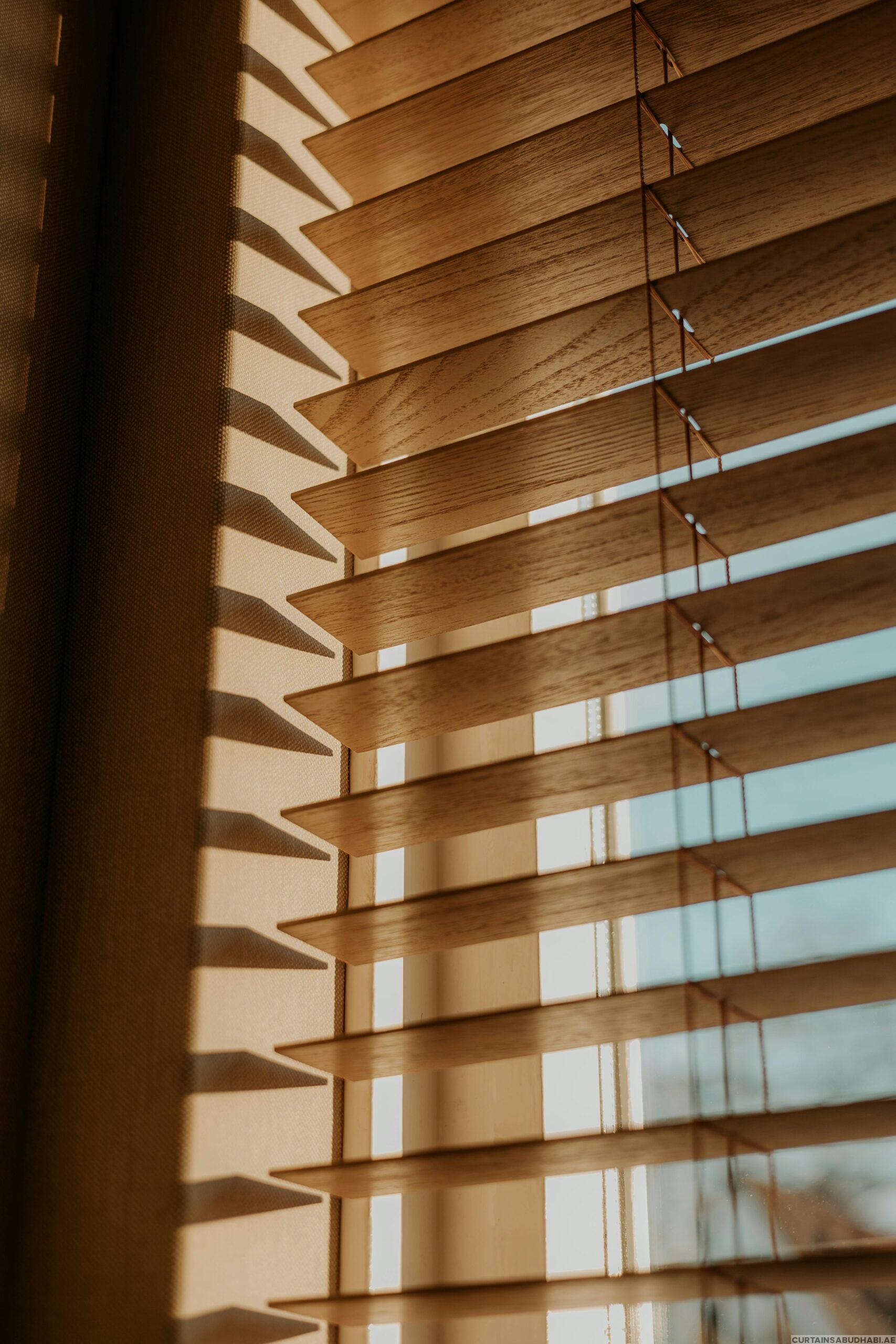
Climate considerations when selecting window shading solutions for hot and sunny regions
Hot and sunny climates require specialized window treatment solutions designed to handle strong sunlight and high temperatures. Window coverings in these environments must provide reliable heat reduction while still allowing adjustable light control.
Key climate-related factors include:
- Intensity of direct sunlight exposure
- Length of daily sunlight hours
- Seasonal temperature variations
- Dust and sand exposure in certain regions
Many homeowners researching climate-suitable window treatments begin by exploring options like blinds abu dhabi because these solutions often provide adjustable light control, helping balance brightness and heat reduction throughout the day.
Additionally, reflective coatings and UV-resistant materials are commonly used in modern window treatments to improve performance in high-temperature regions. Choosing materials specifically designed for sunny climates can significantly improve indoor comfort levels.
How UV exposure impacts furniture, flooring, and indoor decorative elements over time
Ultraviolet (UV) radiation from sunlight can gradually damage interior elements. Prolonged exposure can cause fading, discoloration, and material weakening in furniture, flooring, artwork, and fabrics.
Common UV damage risks include:
- Fading of upholstery and carpets
- Discoloration of wooden furniture
- Weakening of synthetic materials
- Damage to artwork and photographs
Using specialized light-blocking window coverings such as blackout roller blinds can help reduce UV exposure and protect interior investments. These coverings are especially useful in rooms with expensive furniture, artwork collections, or delicate decorative materials.
UV protection is not only about aesthetics. Reducing UV exposure can also help extend the lifespan of flooring and reduce long-term replacement costs for interior elements.
The importance of moisture resistance for window installations in coastal or humid environments
Humidity and moisture can impact the performance and durability of window coverings. In humid environments or coastal areas, materials must resist moisture absorption, mold growth, and corrosion.
Moisture-resistant window treatment features include:
- Anti-warp materials
- Mold-resistant coatings
- Corrosion-resistant mechanical parts
- Easy-clean surface finishes
Bathrooms, kitchens, and coastal homes often benefit from synthetic or treated composite materials designed to resist moisture-related damage. Proper ventilation also supports the longevity of window coverings in humid environments.
Selecting moisture-resistant materials ensures that window coverings maintain their shape, functionality, and appearance over time.
Differences between manual and motorized window shading operation systems for modern homes
Modern homes increasingly incorporate automated window shading systems. Both manual and motorized systems have advantages depending on lifestyle needs and home design.
Manual systems advantages:
- Lower maintenance complexity
- Simple installation
- Cost-effective operation
Motorized systems advantages:
- Remote or smart home control
- Scheduled opening and closing
- Enhanced convenience for large windows
Automation is especially useful for hard-to-reach windows or homes with large glass panels. Motorized systems can also help optimize energy efficiency by adjusting window coverings based on sunlight intensity throughout the day.
How layered window treatments can improve insulation and interior temperature stability
Layered window treatments combine multiple materials to create better insulation and light control. This approach helps regulate indoor temperatures while providing flexible lighting options.
Layering benefits include:
- Improved thermal insulation
- Greater light filtering flexibility
- Enhanced noise reduction
- Increased privacy control
For example, combining solid window coverings with decorative layers allows homeowners to adjust lighting based on time of day and season. Layering also helps reduce heat transfer, which can improve indoor temperature stability.
This approach is especially useful in homes with large windows or direct sunlight exposure.
Safety considerations when installing window shading systems in family living environments
Safety is a major factor when selecting window treatments for family homes. Modern designs focus on minimizing risks associated with cords and mechanical components.
Important safety features include:
- Cordless operating systems
- Secure mounting mechanisms
- Smooth and controlled movement
- Durable child-safe materials
Families with young children often prioritize cordless designs to reduce potential hazards. Secure installation also ensures that window coverings remain stable during daily operation.
Safety standards continue to evolve, leading to improved product designs focused on user protection.
How architectural window size and placement influence shading performance and efficiency
Window size, orientation, and placement significantly affect how window coverings perform. South-facing windows, for example, typically receive more direct sunlight and may require stronger light-blocking solutions.
Architectural considerations include:
- Window height and width
- Room orientation toward the sun
- Presence of external shading structures
- Interior room usage patterns
Homes with large decorative windows often benefit from strong structural window coverings such as wooden blinds abu dhabi, which can provide both light control and structural durability for wide window spaces.
Custom-fitting window treatments based on architectural measurements ensures maximum performance and aesthetic balance.
Conclusion
Window treatments play a critical role in managing indoor light, protecting interior furnishings, and improving overall home comfort. In regions with strong sunlight exposure, selecting the right window shading solution becomes even more important for maintaining balanced lighting and temperature control.
Understanding climate conditions, material performance, and architectural requirements helps homeowners choose window treatments that deliver long-term functional benefits. With proper selection and installation, window coverings can significantly enhance indoor living quality.
FAQs
How does strong sunlight impact indoor temperature and comfort levels?
Strong sunlight increases indoor heat, which can make rooms uncomfortable and increase cooling system usage.
What window shading features help reduce glare on screens and TVs?
Light-filtering materials, adjustable slats, and layered window treatments help reduce glare while maintaining visibility.
Are automated window shading systems difficult to maintain?
Most modern systems require minimal maintenance and are designed for long-term reliability.
How do window shading systems contribute to home energy efficiency?
They help reduce heat gain and heat loss, lowering reliance on heating and cooling systems.
What materials perform best in high humidity conditions?
Moisture-resistant synthetic and composite materials usually perform best in humid environments.
How can window shading improve indoor privacy during daytime hours?
Adjustable slats and layered coverings allow light entry while limiting outside visibility.