
Modern homes are increasingly designed with comfort, energy efficiency, and lifestyle convenience in mind. Window treatments play a major role in achieving these goals because they directly influence lighting, temperature control, and privacy levels inside a home. In regions with strong sunlight and warm climates such as Abu Dhabi, selecting suitable window coverings becomes especially important for maintaining indoor comfort throughout the year.
Heavy light-blocking window fabrics have gained popularity because they help reduce excessive daylight, protect interior furniture, and support better sleeping environments. Many homeowners and apartment residents are now learning how advanced window coverings can impact daily comfort, productivity, and even long-term energy savings. Understanding how these solutions work helps people make informed decisions based on lifestyle needs rather than trends alone.
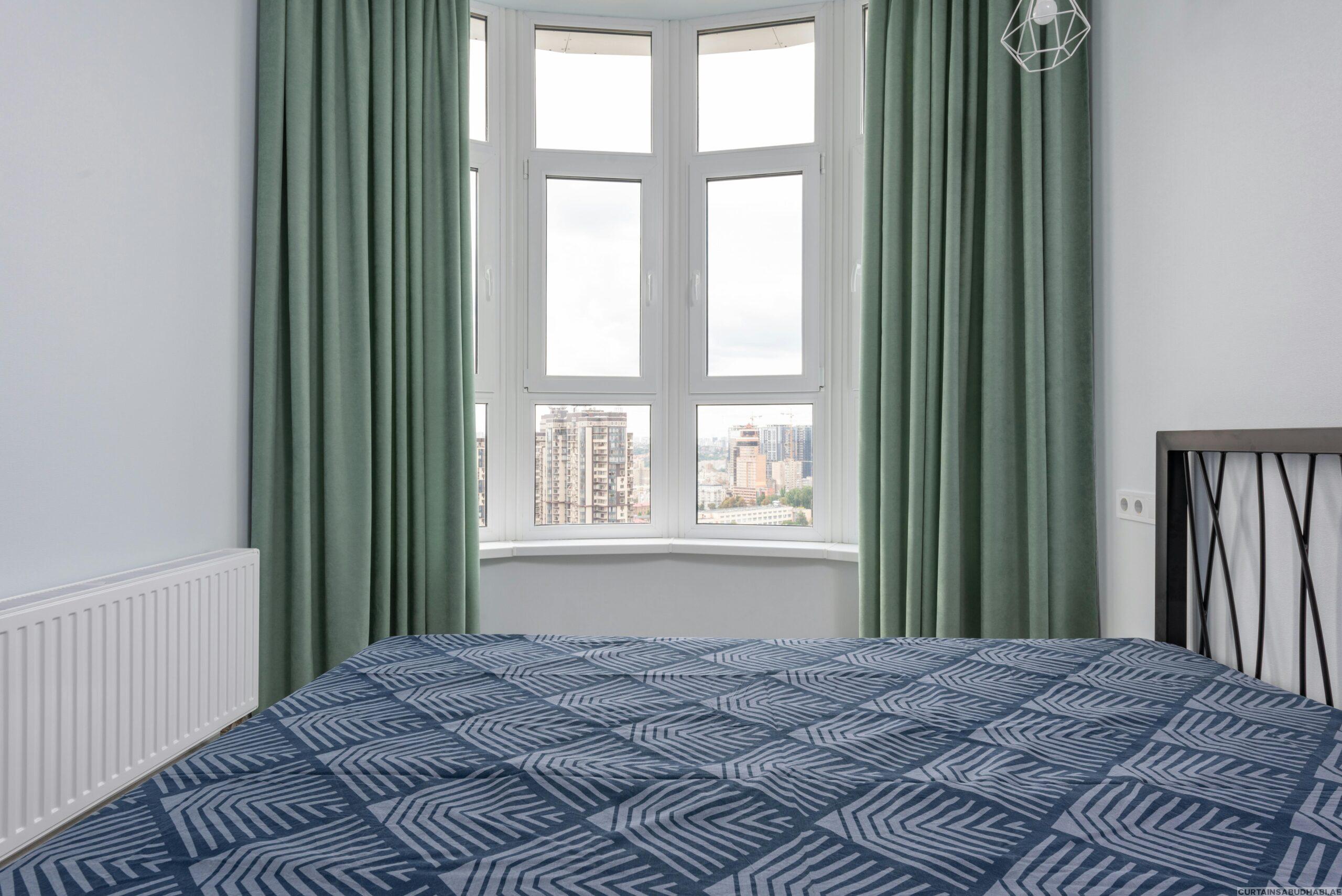
Understanding how light-blocking window treatments improve sleep quality and comfort in bedrooms and living spaces
Light exposure strongly affects the body’s internal clock, also known as the circadian rhythm. When sunlight or street lighting enters a room during rest hours, it can interrupt sleep cycles and reduce sleep quality. Dense window fabrics help create darker environments that support uninterrupted rest.
In residential spaces, complete light control is particularly helpful for:
- Shift workers who sleep during daytime hours
- Families with infants or young children
- People sensitive to light during sleep
- Media rooms where glare affects viewing quality
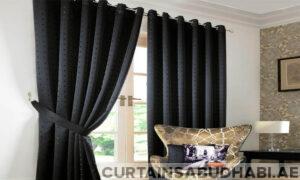
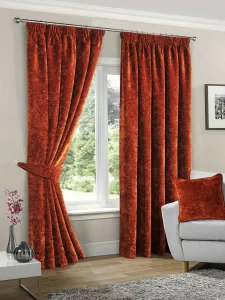
Many homeowners researching blackout curtains abu dhabi want to understand how these coverings support healthier sleeping environments. These fabrics are engineered to block most external light sources, helping create consistent nighttime conditions regardless of outside brightness.
Beyond bedrooms, living rooms and entertainment areas also benefit from controlled lighting because it improves screen visibility and reduces eye strain during daytime viewing.
The science behind thermal insulation and how dense fabrics help regulate indoor room temperatures year-round
Thick window coverings do more than block light. They also create a thermal barrier between indoor air and external temperatures. During hot seasons, window glass absorbs heat and transfers it inside. Dense layered fabrics help slow this heat transfer.
Thermal benefits include:
- Reducing heat gain during peak sunlight hours
- Supporting air conditioning efficiency
- Preventing cool air from escaping indoor spaces
- Creating more stable room temperatures
Insulated window coverings can contribute to better energy management. While they are not a replacement for insulation systems, they add an extra protective layer at one of the home’s largest heat transfer points: windows.
This is especially useful in climates where sunlight intensity remains high most of the year.
Comparing different fabric thickness levels and how they affect privacy, noise reduction, and room darkness
Fabric density directly influences how window coverings perform. Different thickness levels serve different purposes depending on room use.
Common fabric performance differences:
Light filtering fabrics
- Allow partial sunlight
- Maintain outside visibility
- Provide basic privacy
Room darkening fabrics
- Block most sunlight
- Improve daytime privacy
- Reduce glare significantly
Full light-blocking fabrics
- Block nearly all light
- Improve sound dampening
- Offer maximum privacy
Homeowners often compare these options with layered designs like roman curtains, which combine aesthetic styling with functional light filtering depending on fabric choice.
Noise reduction is an additional benefit many people overlook. Thicker fabrics can help soften outside sound, creating quieter indoor environments.
How climate conditions influence the need for advanced window shading solutions in modern homes
Climate plays a critical role when selecting window coverings. Regions with intense sunlight require solutions that protect interiors from UV exposure and heat accumulation.
Environmental factors influencing window covering selection include:
- Sunlight intensity and direction exposure
- Seasonal temperature variation
- Humidity levels affecting fabric durability
- Dust and sand exposure in desert environments
Strong sunlight can fade furniture, flooring, and wall paint over time. Advanced window coverings help extend the lifespan of interior materials by reducing UV exposure.
Homes with large glass windows or balcony doors often require wider coverage systems that maintain performance without compromising aesthetics.
Key factors to consider when selecting window coverings for nurseries, bedrooms, and media rooms
Each room has unique functional requirements. Choosing window coverings based on room usage improves overall comfort and practicality.
For bedrooms:
- Maximum light blocking capability
- Noise dampening features
- Easy maintenance fabrics
For nurseries:
- Safe installation systems
- Cordless or hidden control options
- Hypoallergenic fabric materials
For media rooms:
- Complete glare elimination
- Dark environment creation
- Optional layered styling options
Some homeowners consider combining window solutions with roller blinds abu dhabi for flexible light control. This layered approach allows adjustment throughout the day depending on sunlight intensity.
Safety should always be prioritized in children’s rooms, especially regarding operating mechanisms and fabric materials.
Maintenance requirements and cleaning methods for long-lasting fabric performance and durability
Proper care extends the lifespan of window fabrics and maintains their performance quality. Maintenance routines vary based on fabric type and household conditions.
Basic maintenance tips:
- Vacuum weekly using upholstery attachments
- Spot clean stains immediately
- Avoid harsh chemical cleaners
- Follow fabric-specific cleaning instructions
Deep cleaning guidelines:
- Professional cleaning once or twice annually
- Steam cleaning only if fabric permits
- Avoid soaking layered fabric materials
Dust accumulation can reduce fabric efficiency over time. Regular maintenance keeps the material functioning effectively while preserving its appearance.
The role of window coverings in improving energy efficiency and reducing indoor cooling costs
Energy efficiency is becoming a priority in modern home design. Windows are one of the main areas where temperature exchange occurs.
Window coverings support energy efficiency by:
- Reducing direct heat entry
- Supporting indoor temperature stability
- Lowering cooling system workload
- Improving overall indoor comfort levels
While they are not standalone energy solutions, they work alongside insulation, glazing technology, and HVAC systems to improve overall home efficiency.
Over time, maintaining stable indoor temperatures can contribute to reduced energy strain, especially in regions with long summer seasons.
Conclusion
Light-blocking window treatments serve multiple purposes beyond simple light control. They support sleep quality, protect interiors, improve energy efficiency, and enhance privacy. When selected based on room function, climate conditions, and maintenance requirements, they can significantly improve daily indoor comfort.
Understanding fabric density, thermal performance, and installation considerations helps homeowners choose solutions aligned with their living needs rather than temporary trends. Proper maintenance further ensures long-term durability and consistent performance.
FAQs
How do light-blocking window coverings help improve sleep quality?
They reduce external light exposure, helping the body maintain natural sleep cycles and reducing nighttime interruptions.
Are thick fabric window coverings good for noise reduction?
Yes, dense fabrics can absorb some external sound, helping create quieter indoor environments.
Can insulated window coverings help reduce energy consumption?
They help reduce heat transfer through windows, which can support cooling system efficiency.
How often should heavy fabric window coverings be cleaned?
Light cleaning weekly and deep cleaning once or twice per year is typically recommended.
Do darker fabrics block more light than lighter fabric colors?
Fabric density and backing layers matter more than color, though darker fabrics can slightly improve light absorption.