
Modern interior design focuses on balancing functionality, comfort, and visual appeal. Window treatments play a significant role in achieving this balance, helping homeowners control natural light, improve privacy, and enhance the overall aesthetic of living spaces. Choosing the right window covering can influence mood, energy efficiency, and even productivity within a home.
Beyond decoration, window coverings serve practical purposes that impact everyday living. From managing sunlight exposure to protecting furniture and flooring, the right solution can dramatically improve indoor environments. Understanding how window coverings work and their different types helps homeowners make informed decisions that suit both lifestyle and design preferences.

Understanding different window covering types and their functional uses in modern interior environments
Window coverings come in multiple forms, each designed to serve specific functional and aesthetic needs. These options vary in structure, materials, and operation methods, allowing homeowners to tailor solutions based on room usage and personal style.
Common window covering categories include:
- Horizontal slat designs for adjustable light control
- Fabric-based coverings for softer light diffusion
- Solid panels for maximum privacy and darkness
- Layered options combining multiple materials
Many homeowners start exploring options by researching solutions like blinds to understand how adjustable slats can provide precise control over sunlight and privacy. These systems allow users to tilt slats rather than fully open or close coverings, offering flexibility throughout the day.
Modern window treatments also integrate with smart home systems, enabling automated scheduling and remote operation. This technological integration helps improve convenience and energy management while maintaining interior comfort levels.
How light filtering materials influence room brightness and daily comfort levels in residential spaces
The material used in window coverings determines how much natural light enters a room. Some materials allow soft, diffused light, while others block sunlight almost completely. The right balance depends on room function and occupant preferences.
Light filtering materials help:
- Reduce harsh glare while maintaining visibility
- Create softer ambient lighting environments
- Improve visual comfort for screen use
- Maintain daytime privacy
Bedrooms often require stronger light-blocking materials to improve sleep quality. Many homeowners rely on solutions like blackout blinds to minimize light intrusion during early mornings or daytime naps. These coverings are especially useful for shift workers, children’s rooms, and media rooms where light control is critical.
Material thickness, weave density, and coating technology all contribute to light performance. Understanding these factors helps homeowners select the best option for specific room needs.
The role of window treatments in improving privacy without reducing natural daylight exposure
Privacy is a major concern in residential environments, especially in urban areas or homes located close to neighbors. Effective window treatments help maintain personal privacy while still allowing natural daylight to brighten interiors.
Privacy-enhancing features include:
- Adjustable slat angles to block outside views
- Layered fabric systems combining sheer and opaque layers
- Frosted or textured materials that diffuse visibility
During daytime hours, angled slats can block external views while still allowing light to enter. This is particularly useful for street-facing windows or apartment buildings.
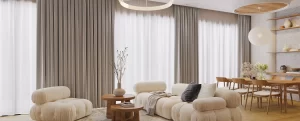
For nighttime privacy, combining multiple window treatments can provide maximum coverage. Layering different materials ensures flexibility for changing lighting conditions while maintaining comfortable interior brightness levels.
Comparing fabric, vinyl, and composite materials used in modern window shading solutions
Material selection impacts durability, maintenance requirements, and visual appearance. Each material category offers unique benefits suited for different environments.
Fabric materials:
- Provide softer visual texture
- Offer wide color and pattern options
- Require regular cleaning
Vinyl materials:
- Highly moisture resistant
- Easy to clean
- Ideal for kitchens and bathrooms
Composite materials:
- Combine durability with decorative appeal
- Resist warping and cracking
- Suitable for long-term installations
Material choice often depends on room humidity, sunlight exposure, and cleaning expectations. For example, bathrooms and kitchens benefit from moisture-resistant materials, while living rooms may prioritize aesthetic softness.
How interior styling themes influence the selection of window shading designs and textures
Interior design themes strongly influence window treatment choices. The right design enhances visual harmony while supporting room functionality.
Design matching strategies include:
- Minimalist spaces often use neutral and simple slat designs
- Traditional interiors may incorporate textured or layered treatments
- Modern interiors favor clean lines and smooth finishes
- Rustic interiors benefit from natural material textures
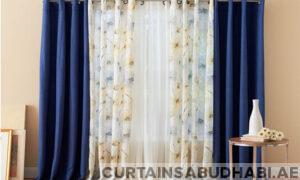
Some homeowners complement interior décor with decorative textile solutions such as york curtains, which can enhance layered styling and add visual depth to rooms. Combining different window treatments helps achieve both aesthetic and functional goals.
Texture, color coordination, and pattern scale all contribute to overall design harmony.
Maintenance routines that help extend the lifespan of interior window shading installations
Proper maintenance ensures window coverings perform well over many years. Regular cleaning and inspection help prevent damage and maintain appearance.
Basic maintenance practices include:
- Dusting slats weekly using microfiber cloths
- Deep cleaning every few months depending on exposure
- Inspecting mechanical components regularly
- Avoiding excessive force during operation
Environmental factors such as humidity and direct sunlight may require more frequent maintenance. Using manufacturer-recommended cleaning methods helps prevent material damage.
Preventive maintenance reduces long-term repair needs and preserves functional performance.
Environmental and energy efficiency impacts of installing quality window light control systems
Window coverings contribute significantly to home energy efficiency. Properly selected treatments can help regulate indoor temperatures and reduce energy consumption.
Energy efficiency benefits include:
- Reducing heat gain during hot seasons
- Minimizing heat loss during cooler periods
- Supporting HVAC system efficiency
- Improving indoor temperature consistency
Insulating window coverings help create thermal barriers between indoor and outdoor environments. This reduces reliance on heating and cooling systems, contributing to long-term sustainability.
Energy-efficient window treatments are increasingly important in modern home design focused on environmental responsibility.
Conclusion
Window treatments are essential components of functional and comfortable home interiors. They influence lighting quality, privacy, energy efficiency, and overall aesthetic appeal. Understanding materials, design options, and maintenance requirements helps homeowners make informed choices that support both lifestyle and interior design goals.
Selecting the right window solution involves evaluating room function, environmental conditions, and design preferences. With proper selection and maintenance, window treatments can provide long-term performance and enhance everyday living comfort.
FAQs
What are the main purposes of window light control systems in homes?
They help regulate sunlight, improve privacy, protect interiors from UV damage, and support energy efficiency.
How do different materials impact durability and maintenance needs?
Some materials resist moisture and wear better, while others require more careful cleaning and maintenance.
Are window coverings helpful for improving sleep quality?
Yes, especially those designed to block outside light, helping create darker and more restful sleeping environments.
How often should window shading systems be cleaned or serviced?
Light cleaning weekly and deeper cleaning every few months is typically recommended depending on dust exposure.
Do window coverings help reduce indoor heat during summer months?
Yes, many window coverings reduce heat gain by blocking or reflecting sunlight.
What factors affect long term performance of interior window shading products?
Material quality, installation accuracy, environmental exposure, and maintenance routines all influence long-term performance.