

Hot climate regions present unique challenges for outdoor living. Intense sunlight, high temperatures, dust storms, and humidity fluctuations can make outdoor spaces uncomfortable or difficult to maintain. As a result, many homeowners and property designers look for solutions that improve usability without sacrificing airflow or natural light.
Outdoor shading solutions designed specifically for extreme climates help transform patios, balconies, and garden seating areas into functional spaces throughout the year. Understanding how these systems work, what materials perform best, and how to maintain them properly helps homeowners adapt to harsh environmental conditions while improving outdoor comfort.
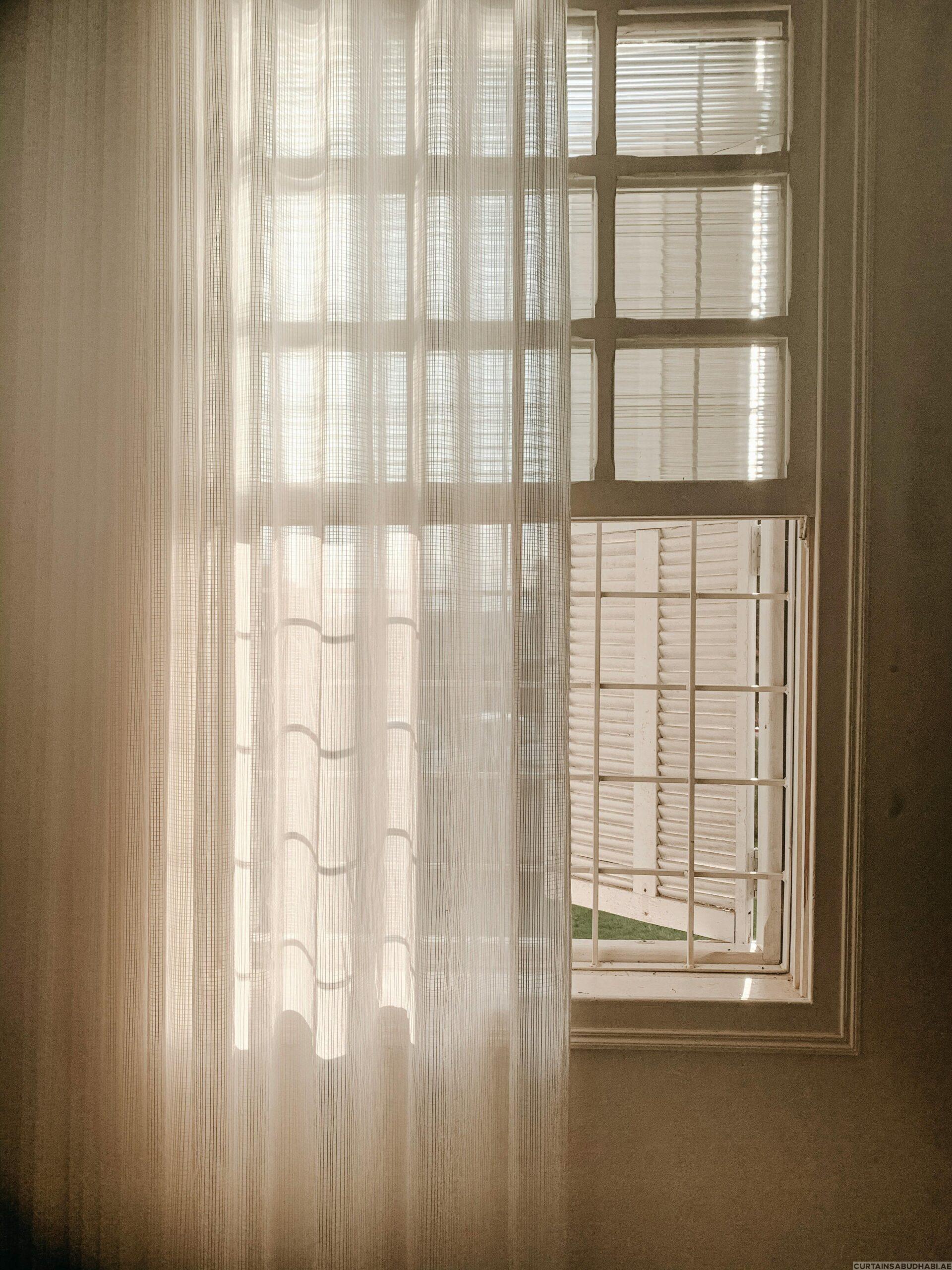
How extreme heat conditions influence the demand for outdoor shading and fabric protection systems
Extreme heat significantly affects outdoor usability. Direct sunlight can quickly raise surface temperatures, making furniture unusable and increasing indoor heat gain through adjacent windows and doors.
In hot climate regions, shading systems help by:
- Reducing direct solar radiation exposure
- Lowering surrounding surface temperatures
- Preventing furniture fading and cracking
- Creating shaded relaxation zones
Many homeowners researching climate-adapted shading solutions often explore options such as outdoor curtains dubai to understand how textile-based barriers help manage heat while maintaining airflow. These systems are specifically designed to tolerate prolonged sun exposure while maintaining structural integrity.
Heat-resistant outdoor textiles also reduce glare, improving comfort for activities like dining, reading, or social gatherings.
The importance of ventilation-friendly curtain designs for desert and coastal climate environments
Proper ventilation is essential in hot climates. Without airflow, shaded spaces can trap heat, making them uncomfortable despite sun protection.
Ventilation-friendly curtain designs focus on:
- Breathable fabric weaving structures
- Strategic installation allowing airflow gaps
- Lightweight material movement in wind
- Moisture-resistant textile coatings
In desert environments, airflow prevents heat accumulation, while in coastal regions, ventilation helps reduce humidity buildup. Proper airflow also helps prevent mold or mildew formation, especially in humid climates.
Balancing shade and airflow ensures outdoor spaces remain usable even during peak daytime heat conditions.
Comparing natural and synthetic materials used in exterior window and patio coverings
Material selection directly affects durability and performance in hot climates. Both natural and synthetic fabrics have advantages depending on environmental conditions.
Natural Materials
Benefits:
- Eco-friendly composition
- Natural airflow properties
- Soft aesthetic appearance
Limitations:
- Lower UV resistance
- Faster weathering in extreme heat
Synthetic Materials
Benefits:
- High UV resistance
- Moisture and mold resistance
- Longer lifespan in harsh climates
Limitations:
- Can retain heat if poorly ventilated
Many modern outdoor installations combine synthetic durability with breathable weaving technology to optimize performance and comfort.
How outdoor curtains contribute to energy efficiency and temperature control in residential properties
Outdoor shading systems help reduce indoor cooling loads by blocking sunlight before it reaches windows and walls. This helps maintain more stable indoor temperatures, especially during peak summer months.
Key energy efficiency benefits include:
- Reduced solar heat gain through glass surfaces
- Lower reliance on cooling systems during daylight hours
- Protection of interior furniture and flooring from UV exposure
- Improved indoor comfort levels
When combined with additional shading layers or window solutions such as bamboo blinds dubai, homeowners can create multi-layer sun protection systems that improve both thermal efficiency and visual comfort.
Layered shading solutions are especially useful for properties facing direct afternoon sunlight.
The impact of sand, humidity, and UV exposure on exterior fabric durability and lifespan
Hot climate environments often include environmental stress factors beyond heat alone. Dust storms, sand particles, and high UV radiation levels can degrade materials over time.
Environmental challenges include:
- Sand abrasion causing fiber wear
- UV radiation weakening textile structure
- Humidity encouraging mold growth
- Dust buildup reducing airflow efficiency
High-quality outdoor fabrics are treated with protective coatings that help resist these environmental stressors. UV-stabilized fibers prevent color fading and structural weakening, while anti-microbial coatings protect against humidity-related damage.
Selecting climate-adapted materials significantly extends product lifespan and reduces maintenance requirements.
Safety and installation considerations for high-rise balconies and villa outdoor spaces
Safety is critical when installing exterior shading systems, especially in areas exposed to strong winds or elevated structures.
Important safety considerations include:
- Wind load resistance testing
- Reinforced mounting brackets
- Corrosion-resistant hardware
- Secure anchoring into structural surfaces
- Flexible tie-down options for extreme weather
Small supporting components also contribute to installation safety and long-term performance. Functional installation elements included within curtains accessories help stabilize installations, maintain positioning, and reduce fabric stress during strong winds.
Proper installation planning reduces risk while ensuring consistent shading performance.
Seasonal maintenance strategies for outdoor shading systems in high-temperature regions
Maintenance is essential to preserve performance and visual quality. Hot climates accelerate dust accumulation and UV exposure damage.
Recommended seasonal maintenance plan:
Monthly Maintenance
- Remove dust using soft brush or vacuum
- Check mounting hardware for looseness
- Inspect fabric for minor damage
Seasonal Deep Cleaning
- Wash using mild detergent and water
- Rinse thoroughly to remove salt or dust residue
- Allow complete air drying before reinstallation
Annual Inspection
- Check mounting stability
- Replace worn tie-downs or fasteners
- Inspect seams for stress or wear
Consistent maintenance ensures long-term durability and reliable performance.
Conclusion
Outdoor curtains play a critical role in adapting outdoor living spaces to hot climate environments. By reducing sunlight exposure, improving airflow, and protecting against environmental stress factors, these systems make outdoor areas more comfortable and functional throughout the year.
Understanding material selection, installation safety, environmental resistance, and maintenance strategies allows homeowners to create outdoor environments that remain durable and comfortable even under extreme weather conditions.
FAQs
Why are outdoor curtains popular in high-temperature regions?
They help block direct sunlight, reduce heat buildup, and create shaded outdoor spaces that remain usable during hot weather.
Do outdoor curtains help reduce indoor cooling costs?
Yes, by blocking sunlight before it reaches windows and walls, they reduce indoor heat gain and help maintain stable indoor temperatures.
What fabrics perform best in desert-like climates?
Synthetic fabrics with UV resistance and dust-repellent coatings perform best due to their durability and resistance to environmental stress.
How do outdoor curtains handle dust and sand exposure?
Many outdoor fabrics include dust-resistant coatings and tight weave structures that reduce particle buildup and abrasion damage.
Are outdoor curtains suitable for apartment balconies?
Yes, as long as proper mounting hardware and wind safety considerations are followed, they can effectively provide shade and privacy in balcony spaces.