

Modern interior design focuses on balancing aesthetics, comfort, and functionality. Window treatments play a crucial role in achieving this balance, influencing lighting, privacy, and temperature control. Among specialized curtain solutions used in modern interiors, sedar-style curtain systems are widely discussed in design planning due to their structured appearance and fabric engineering.
In hot climate regions such as Abu Dhabi, window coverings must perform beyond decoration. They help reduce heat transfer, protect interior furniture from sunlight exposure, and support energy efficiency. Understanding how advanced curtain systems work allows homeowners, architects, and interior designers to make informed decisions when planning living or working environments.
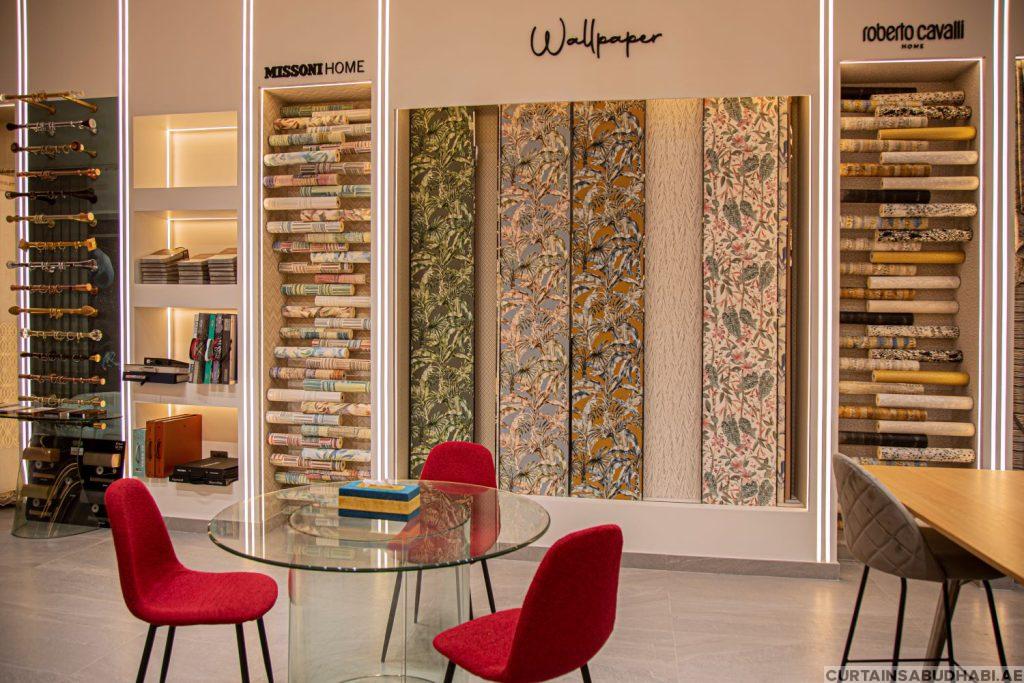
Understanding the history and development of sedar curtain solutions in modern interior design environments
Curtain technology has evolved significantly from simple cloth coverings to engineered textile systems. Historically, curtains served basic purposes such as privacy and sun blocking. Today, they integrate material science, insulation layers, and tailored installation techniques.
Modern sedar-style curtain solutions focus on:
- Multi-layer fabric construction
- Enhanced UV resistance
- Structured pleating for aesthetic uniformity
- Long-term durability in high sunlight environments
Interior designers often integrate these curtains in spaces where both design consistency and functional performance are required. Large windows, glass doors, and open-plan living areas benefit from advanced curtain solutions because they maintain visual harmony while controlling environmental factors.
These systems are especially useful in buildings where sunlight exposure is strong throughout the year, requiring fabric technologies that resist fading and structural weakening.
How fabric quality and weaving techniques impact curtain durability, privacy, and long-term performance
Fabric selection is one of the most important factors influencing curtain lifespan and performance. High-quality weaving techniques create stronger thread structures, reducing fabric wear over time.
Key fabric characteristics include:
- Thread Density: Higher density improves light blocking and privacy
- Fiber Strength: Determines resistance to stretching and tearing
- Surface Treatment: Helps resist dust accumulation and stains
- UV Resistance: Protects color from fading
Natural fibers like cotton are often chosen for breathability and softness. When researching materials, many homeowners explore options like cotton curtains abu dhabi to understand how natural fabrics perform in warm climates and how they compare to synthetic blends.
Choosing the right fabric ensures that curtains maintain their appearance and function even with daily use and strong sun exposure.
The role of custom curtain solutions in improving residential and commercial interior comfort levels
Custom curtain solutions are designed specifically for window size, room purpose, and environmental exposure. Unlike mass-produced curtains, custom solutions consider installation height, window orientation, and lighting patterns throughout the day.
Benefits of customized curtain systems include:
- Better light control throughout different times of day
- Improved thermal insulation in large window areas
- Enhanced sound absorption in large interior spaces
- Visual consistency across multi-room interiors
Commercial spaces such as offices and hotels often rely on customized curtain solutions to create controlled lighting environments while maintaining professional interior aesthetics.
Residential spaces benefit through improved sleep quality, reduced glare on screens, and more consistent indoor temperature regulation.
Differences between ready-made curtains and fully customized curtain installations for unique spaces
Ready-made curtains offer convenience but may not always match window proportions or interior styling requirements. Custom installations provide flexibility in size, fabric selection, and installation hardware.
Ready-made curtain limitations:
- Fixed width and length
- Limited fabric and color options
- Less precise light blocking performance
Custom curtain advantages:
- Tailored window coverage
- Ability to integrate insulation layers
- Matching interior design themes
- Improved long-term performance
People researching installation providers often explore options such as curtain supplier in dragon mart to understand how different suppliers approach custom fabrication and installation methods.
Custom installations are particularly valuable for homes with non-standard window shapes or large panoramic glass surfaces.
How climate conditions in hot regions influence curtain material and lining selection decisions
Hot climate environments create unique challenges for interior fabrics. Constant sun exposure and temperature fluctuations can weaken standard curtain materials over time.
Important considerations include:
- Thermal Insulation Linings
Helps reduce indoor heat gain - UV Protective Coatings
Prevents fabric discoloration - Moisture Resistance
Important in coastal regions - Dust Resistance
Helps maintain cleaner indoor air quality
Regions with high sunlight intensity require curtain systems designed specifically for long-term exposure to prevent premature wear.
Practical maintenance methods to extend curtain lifespan and maintain consistent fabric appearance
Proper maintenance significantly extends curtain life and keeps fabrics looking fresh.
Recommended maintenance practices:
- Vacuum curtains weekly using soft brush attachments
- Wash according to fabric-specific guidelines
- Avoid harsh chemical cleaning agents
- Rotate curtains periodically to balance sun exposure
Regular maintenance prevents dust buildup, which can weaken fibers and dull fabric appearance over time.
How window curtain styling influences natural lighting, insulation, and indoor temperature balance
Curtain styling impacts both aesthetics and functionality. The way curtains are pleated, layered, and installed changes how they interact with sunlight and airflow.
Styling factors that affect performance:
- Floor-to-ceiling installation improves insulation
- Double layering increases light control flexibility
- Neutral color palettes improve light reflection balance
- Structured pleats create uniform coverage
When researching structured curtain systems, many people review options like sedar al ain to better understand how engineered curtain designs influence interior climate control and visual consistency.
Proper styling can significantly reduce indoor temperature fluctuations while maintaining natural daylight comfort.
Conclusion
Advanced curtain solutions play a vital role in modern interior environments, especially in regions with strong sunlight exposure. From fabric engineering to installation customization, every detail contributes to comfort, durability, and aesthetic balance.
Understanding material performance, climate considerations, and maintenance practices helps homeowners and designers make informed decisions when selecting curtain systems. With proper selection and care, modern curtain technologies can provide long-term functional and visual benefits.
FAQs
What makes sedar curtain solutions different from standard curtains?
They typically use advanced fabric construction, structured pleating, and engineered lining systems designed for durability and environmental performance.
How do climate conditions affect curtain material performance?
High sunlight and heat can weaken low-quality fabrics, making UV-resistant and insulated materials more suitable.
Are custom curtains better for insulation and privacy control?
Yes, because they are designed to match window dimensions precisely and can include specialized lining layers.
How often should curtains be cleaned to maintain quality?
Light vacuuming weekly and deep cleaning every few months helps maintain fabric condition.
What curtain fabrics are best for long-term daily use?
High-density natural blends and engineered synthetic fabrics typically offer the best durability and performance balance.