
Curtains play a significant role in shaping how a space looks, feels, and functions. Beyond decoration, they contribute to lighting control, privacy, temperature regulation, and even acoustic comfort. Modern homeowners and interior designers increasingly focus on selecting curtains that balance aesthetics with practical performance, especially in regions with intense sunlight and fluctuating indoor temperatures.
Understanding curtain materials, construction methods, and installation choices helps people make informed decisions for long-term home comfort. From fabric density to rod support systems, each element contributes to overall performance. This guide explores essential curtain knowledge areas, helping readers understand how curtains influence interior living quality and design harmony.
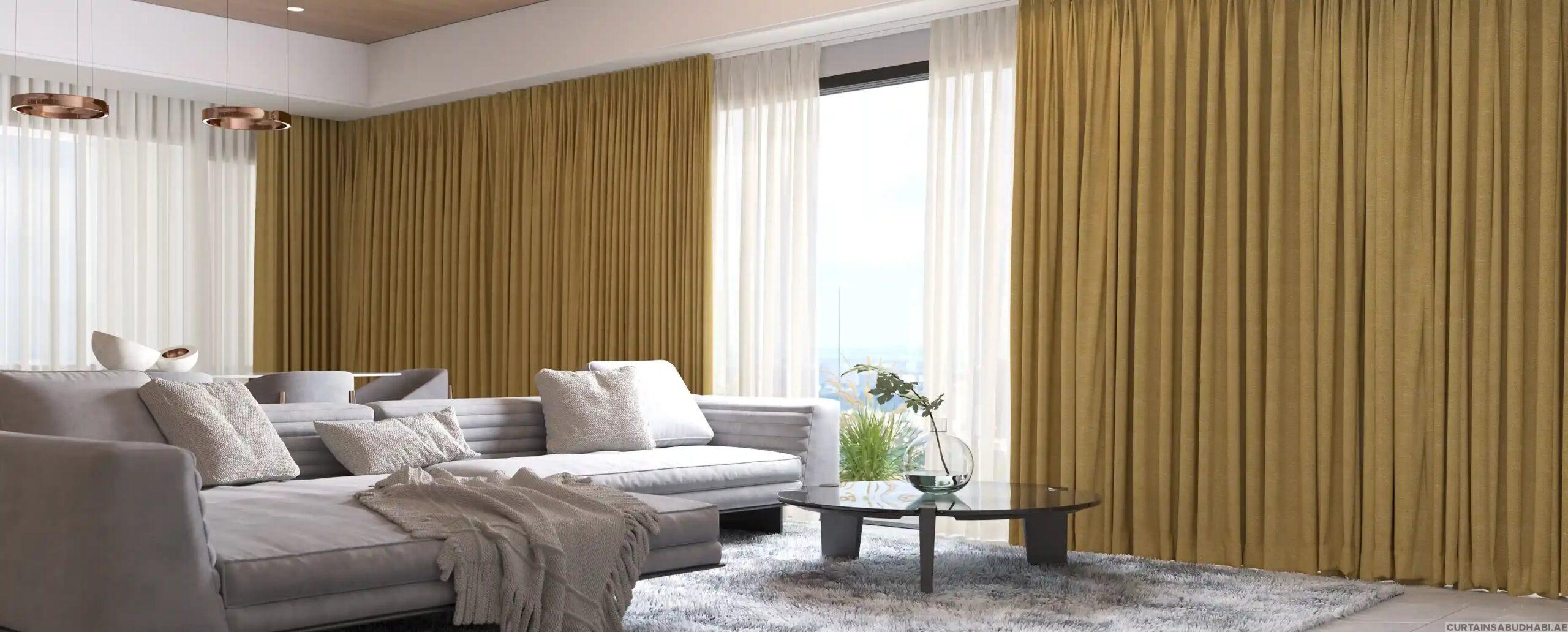
Understanding how fabric density affects light filtering and room ambiance in residential interiors
Fabric density directly influences how much natural light enters a room and how evenly it spreads. Curtains with tightly woven fibers provide stronger light blocking and greater privacy, while lighter fabrics allow diffused daylight to create a soft, airy atmosphere.
In warm climates, fabric density becomes especially important because it can help reduce solar heat gain. Thicker fabrics can prevent excessive sunlight from raising indoor temperatures, reducing reliance on cooling systems.
When studying premium curtain solutions like sedar curtains sharjah, fabric engineering often focuses on balancing:
- Light diffusion quality
- Thermal insulation support
- Fabric durability against sun exposure
- Color retention under UV exposure
Choosing the right density helps maintain indoor comfort without completely blocking beneficial natural light.
How curtain pleat styles influence overall aesthetic balance in modern living room designs
Pleat styles shape how curtains hang and how structured they appear. Different pleats create different visual impressions and can influence how formal or relaxed a space feels.
Common pleat styles include:
- Pinch pleats – Provide structured and classic appearance
- Wave pleats – Offer smooth, modern, flowing lines
- Eyelet styles – Deliver contemporary casual aesthetics
- Goblet pleats – Add decorative elegance for formal interiors
Pleat choice also impacts how light flows between folds and how much fabric is required for full coverage. Modern interiors often favor uniform wave patterns because they create clean architectural lines that complement minimal design themes.
Exploring durability factors that determine long term curtain performance in hot climates
Curtains in hot climates face constant UV exposure, temperature fluctuations, and occasional dust accumulation. Durability depends on several factors:
- Fiber composition
- Fabric finishing treatments
- Stitching quality
- Lining protection layers
- Environmental exposure frequency
High-quality synthetic blends and treated natural fibers usually perform better over time. Protective linings can also shield the decorative outer layer from sun damage.
Homes located in fast-developing urban regions often study regional curtain trends such as dubai curtains abu dhabi to understand how materials adapt to local climate challenges while maintaining aesthetic standards.
The role of lining materials in protecting curtains from sun damage and color fading
Curtain linings serve as a protective barrier between decorative fabric and external sunlight. Without lining, direct UV exposure can gradually weaken fibers and fade colors.
Common lining types include:
- Standard lining – Basic light protection and fabric reinforcement
- Blackout lining – Maximum light blocking and insulation support
- Thermal lining – Improves energy efficiency and temperature stability
Lining also improves curtain drape quality by adding weight and structure. In sun-exposed rooms, lined curtains often last significantly longer than unlined ones.
How window measurements impact curtain fall, draping quality, and visual symmetry
Accurate window measurements are essential for achieving balanced curtain installation. Incorrect sizing can result in uneven drapes, poor light control, and reduced privacy.
Measurement best practices include:
- Measuring full window width including frame overlap
- Adding extra width for fabric gathering fullness
- Measuring height from rod placement to desired curtain end point
- Considering floor clearance for easy cleaning and movement
Proper measurement also ensures that curtain folds fall naturally, enhancing overall interior symmetry and visual comfort.
Comparing traditional and modern curtain stitching techniques for extended usability
Curtain stitching methods affect strength, drape consistency, and long-term performance. Traditional hand-finishing often offers detailed craftsmanship, while modern machine stitching provides uniform durability.
Key stitching considerations include:
- Seam reinforcement strength
- Thread type resistance to heat and humidity
- Fold stability after repeated washing
- Edge finishing quality
Advanced stitching technologies now combine automated precision with durable thread materials designed for high-temperature environments.
Maintenance routines that help preserve curtain fabric quality and appearance longer
Curtain maintenance directly impacts lifespan and appearance. Dust buildup, moisture exposure, and sunlight can gradually degrade fabric quality if not addressed regularly.
Effective curtain maintenance habits include:
- Vacuuming curtains monthly using soft brush attachments
- Washing or dry cleaning according to fabric instructions
- Rotating curtain panels to balance sun exposure
- Checking support hardware for stability
Proper installation also supports longevity. For example, strong support systems such as curtains rods help distribute fabric weight evenly, preventing sagging and structural stress over time.
Conclusion
Curtains are more than decorative window coverings; they are functional design elements that influence comfort, lighting, privacy, and energy efficiency. From fabric density and pleat styles to lining materials and installation precision, every detail contributes to curtain performance and durability.
Understanding these core factors allows homeowners and interior designers to make informed choices that support both aesthetic goals and practical living needs. With proper selection, installation, and maintenance, curtains can significantly enhance indoor comfort while maintaining long-term visual appeal.
FAQs
What materials are commonly used in premium window curtains?
Premium curtains often use high-quality polyester blends, silk, linen, or specially treated cotton. These materials balance durability, visual appeal, and light control capabilities.
How do curtains help regulate indoor room temperature naturally?
Curtains reduce solar heat gain by blocking sunlight. Thermal linings and dense fabrics can trap cool indoor air and prevent warm air infiltration.
What is the difference between lined and unlined curtains?
Lined curtains include an additional fabric layer that improves light blocking, insulation, and durability. Unlined curtains are lighter and allow more natural light diffusion.
How often should household curtains be cleaned for hygiene?
Light dust removal is recommended monthly, while deep cleaning or professional cleaning is typically needed every 6–12 months depending on environment and usage.
Do heavy curtains improve sound insulation in apartments?
Yes, heavier and thicker curtain fabrics can absorb some sound waves, helping reduce outside noise and improve indoor acoustic comfort.