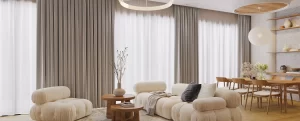

Curtains play a fundamental role in shaping the comfort, lighting, and aesthetic identity of interior spaces. Beyond simple window coverage, modern curtains contribute to temperature regulation, privacy control, and overall room ambiance. In the Middle East, where climate conditions and cultural preferences strongly influence interior design choices, curtain quality and craftsmanship hold particular importance.
Over time, specialized curtain brands and fabric technologies have evolved to meet increasing expectations for durability, elegance, and functionality. Understanding how premium curtain solutions developed—and why certain names became widely recognized—helps homeowners and designers make more informed decisions about interior styling and material selection.
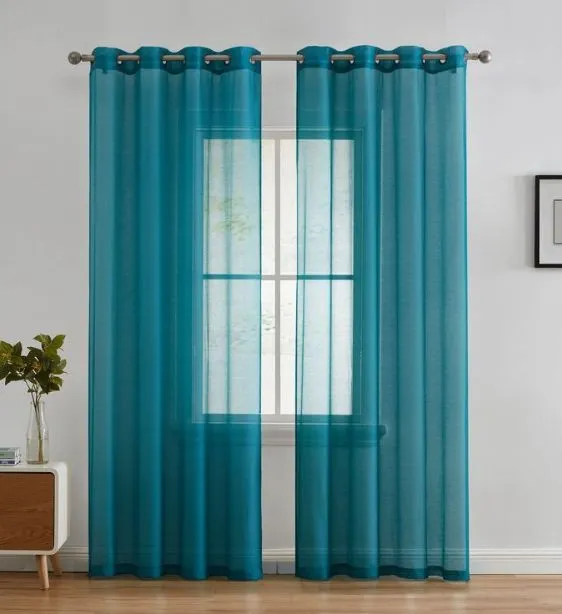
Understanding the historical background and development of luxury curtain brands in the Middle East market landscape
The Middle East interior design market has historically valued craftsmanship, fabric quality, and customization. Luxury curtain brands developed in response to environmental needs such as intense sunlight, high temperatures, and privacy-focused home architecture.
Historically, curtains in the region were:
- Handcrafted using natural fibers
- Designed with layered structures for heat protection
- Tailored to match architectural window shapes
As urbanization increased, curtain brands expanded services to include automated systems, advanced lining materials, and specialized light-filtering technologies. Many homeowners researching premium curtain heritage often explore options such as sedar khalidiya to understand how established curtain craftsmanship traditions evolved into modern interior solutions.
Today, luxury curtain brands often combine:
- Traditional textile knowledge
- Modern insulation technologies
- Precision tailoring methods
- Climate-adaptive fabric engineering
How premium curtain materials influence indoor lighting quality and long-term interior durability performance
Curtain materials directly affect how light enters a room and how long the fabric maintains its structure. Premium materials often provide better performance in harsh climate conditions.
Key lighting benefits of high-quality curtain materials include:
- Softer natural light diffusion
- Reduced glare on screens and reflective surfaces
- Protection against UV furniture fading
- More consistent indoor brightness levels
Durability factors include:
- Fiber strength under sun exposure
- Resistance to humidity damage
- Color retention over long periods
- Shape retention after cleaning
High-end fabrics are often layered with specialized linings to improve thermal performance and reduce heat transfer through windows, making them particularly suitable for sunny climates.
The role of professional curtain tailoring in achieving balanced home privacy and natural daylight control
Professional tailoring ensures curtains fit window dimensions precisely, eliminating gaps that allow excessive sunlight or reduce privacy effectiveness.
Benefits of professional tailoring include:
- Accurate floor-length alignment for visual balance
- Proper pleat spacing for smooth fabric movement
- Custom lining selection based on room exposure
- Improved insulation through correct layering
In regions with strong sunlight, selecting specialized fabrics becomes important. Many homeowners researching material performance compare options like silk curtains abu dhabi to understand how natural fibers influence light filtering and interior brightness comfort.
Tailored curtain solutions also help maintain airflow balance, preventing heat buildup while preserving indoor privacy.
Differences between traditional handcrafted curtains and modern machine-stitched curtain production methods
Traditional handcrafted curtains prioritize artistic detail and material authenticity. Modern machine production focuses on consistency and speed while maintaining acceptable quality standards.
Traditional Handcrafted Curtains:
- Individual fabric inspection
- Hand-sewn decorative detailing
- Custom pattern alignment
- Unique finishing techniques
Modern Machine Production:
- Uniform stitching quality
- Faster production timelines
- Cost-efficient large-scale manufacturing
- Consistent pleat measurements
While machine production dominates mass markets, handcrafted curtains remain valuable for custom interior projects where architectural uniqueness or luxury design is required.
Key fabric technologies used in modern curtains to improve insulation and indoor temperature stability
Modern curtain manufacturing integrates textile science to enhance comfort and energy efficiency. Advanced curtain fabrics now combine multiple functional layers.
Common curtain fabric technologies include:
- Thermal backing layers that reduce heat transfer
- UV-resistant coatings that protect interior furniture
- Acoustic fabrics that help reduce outside noise
- Anti-dust treatments that improve indoor air quality
Some curtain research and selection processes involve exploring large fabric markets and retail hubs. For example, understanding sourcing options sometimes leads homeowners to explore places like a dragon mart curtain shop to compare fabric types and technology variations available across suppliers.
These technologies help reduce reliance on cooling systems and improve long-term home comfort.
How curtain color psychology impacts mood, productivity, and overall living space atmosphere design
Curtain color selection influences emotional perception and room functionality. Interior designers often use color psychology to enhance room purpose and mood balance.
Common color effects include:
- Light beige and cream: calm, neutral environments
- Soft blue tones: focus and relaxation support
- Warm earth tones: comfort and grounding effect
- Dark shades: enhanced privacy and reduced glare
Color selection also interacts with:
- Natural light intensity
- Wall paint color
- Flooring materials
- Furniture textures
Balanced color selection helps maintain visual harmony and prevents rooms from feeling either overly bright or overly enclosed.
Maintenance practices that help preserve curtain texture, shine, and structural integrity for many years
Proper curtain maintenance extends fabric lifespan and maintains original appearance. Different materials require specific cleaning and care methods.
General maintenance practices include:
Weekly Care
- Light vacuuming using fabric attachments
- Gentle dust removal using microfiber cloths
Monthly Care
- Checking for sun damage or discoloration
- Inspecting hooks and rails for stability
Seasonal Care
- Professional deep cleaning when required
- Fabric conditioning treatments for delicate fibers
Avoid:
- Excessive machine washing for natural fibers
- Direct harsh sunlight exposure when not necessary
- Strong chemical cleaners
Consistent care helps curtains maintain shape, color depth, and functional performance.
Conclusion
Luxury curtain development in the Middle East reflects a balance between traditional textile craftsmanship and modern fabric engineering. From advanced light filtering to thermal insulation, high-quality curtains now play a key role in overall home comfort and environmental control.
Understanding fabric types, tailoring importance, and maintenance techniques helps homeowners make informed long-term interior design decisions. As curtain technology continues to evolve, combining heritage craftsmanship with modern innovation will likely remain a defining characteristic of premium interior textiles.
FAQs
What makes premium curtain brands different from standard curtain manufacturers?
Premium brands typically use higher-grade materials, precision tailoring methods, and advanced fabric technologies designed for durability and environmental performance.
How do luxury curtains affect room temperature and lighting levels?
Luxury curtains often include thermal lining and UV filtering layers that reduce heat entry and soften natural light intensity.
What curtain fabrics are best suited for humid climate regions?
Blended natural fibers with protective coatings or specially treated synthetic blends often perform best in humid environments.
How often should high-quality curtains be professionally cleaned?
Most high-quality curtains benefit from professional cleaning every 6–12 months depending on dust exposure and fabric sensitivity.
What factors should be considered when choosing curtain thickness for privacy?
Key considerations include room sun exposure, window size, surrounding building distance, and desired indoor brightness level.