
Outdoor living spaces have become essential extensions of modern homes, offering comfort, relaxation, and functionality beyond interior walls. As people increasingly design patios, terraces, balconies, and garden seating areas, protection from environmental elements becomes crucial. This is where exterior shading solutions play a major role in maintaining comfort and usability throughout the year.
Among various outdoor shading solutions, fabric-based coverings designed specifically for external environments help regulate sunlight, enhance privacy, and reduce environmental wear on furniture. Understanding how these systems function, what materials they use, and how they are maintained helps homeowners make informed decisions about improving outdoor living environments.
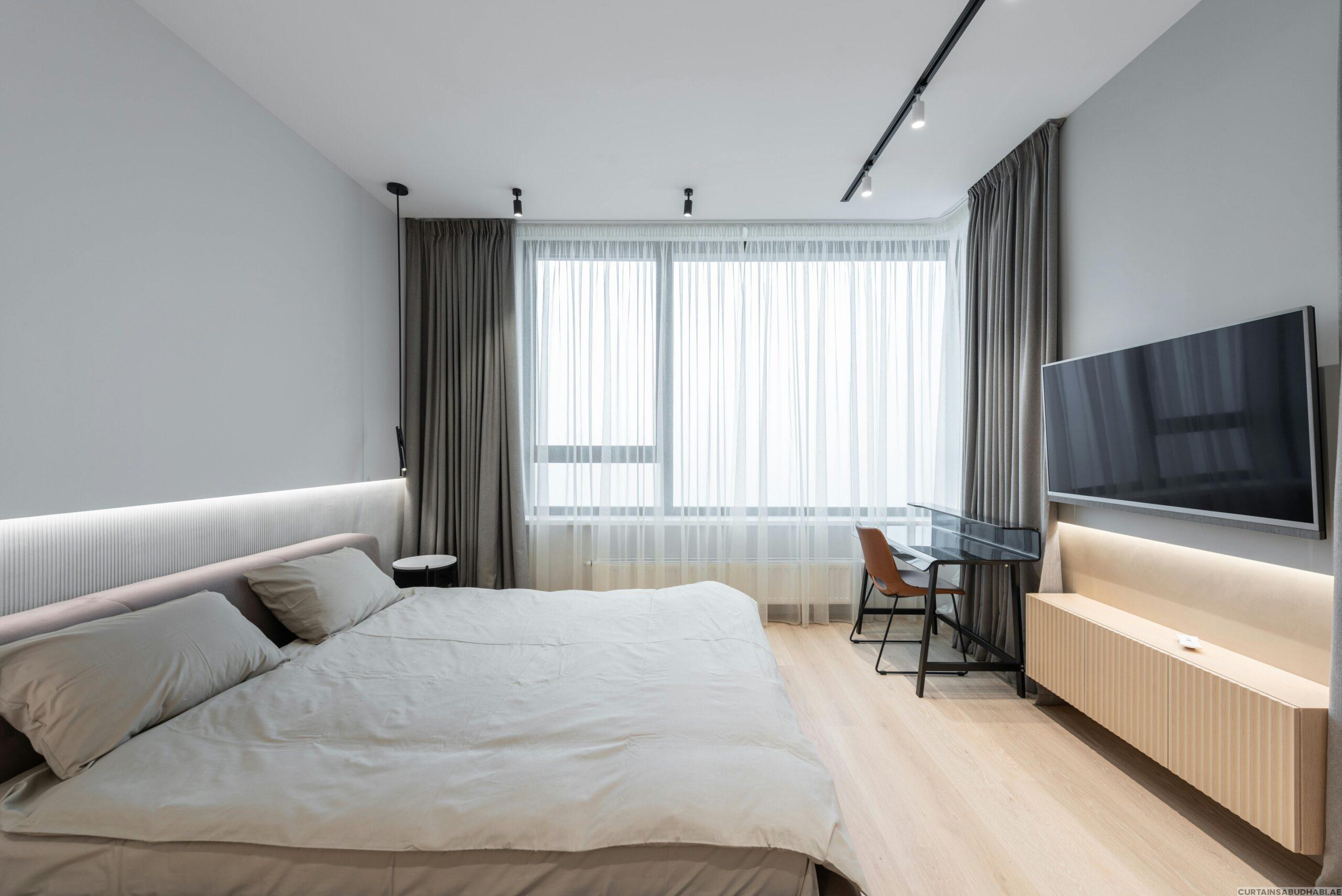
Understanding how weather-resistant fabrics protect outdoor living areas from sun and dust exposure
Outdoor environments expose surfaces and furniture to continuous sunlight, airborne dust, and fluctuating temperatures. Specialized weather-resistant fabrics are engineered to create a protective barrier between these elements and your outdoor space.
Modern exterior textile technologies include:
- UV-resistant fiber weaving
- Moisture-repelling surface coatings
- Dust-resistant fabric treatments
- Mold and mildew protection layers
These materials help maintain cooler temperatures in shaded areas while preventing fading or deterioration of outdoor furniture. Many homeowners exploring exterior shading options often research solutions like outdoor curtains to better understand how textile barriers improve outdoor comfort and environmental protection.
Beyond protection, these fabrics also soften harsh outdoor lighting, creating more visually comfortable spaces suitable for relaxation or social gatherings.
Exploring different materials commonly used for exterior curtain installations in residential spaces
Exterior curtain materials differ significantly from indoor textile options. They must withstand wind pressure, sunlight exposure, and humidity fluctuations without losing structure or color integrity.
Common outdoor curtain materials include:
Acrylic Fabric
- Strong UV resistance
- Maintains color vibrancy for years
- Lightweight yet durable
Polyester Blends
- Budget-friendly durability
- Water-resistant coating compatibility
- Easy cleaning and maintenance
PVC-Coated Textiles
- Maximum waterproof performance
- High wind resistance
- Suitable for heavy weather exposure zones
Each material offers unique benefits depending on climate conditions and installation location. Choosing the right one requires evaluating sunlight intensity, wind exposure, and maintenance expectations.
How proper installation techniques improve durability and long-term outdoor curtain performance
Installation plays a major role in determining how long outdoor shading solutions last. Poor mounting or improper spacing can cause fabric stress, tearing, or structural damage during windy conditions.
Key installation best practices include:
- Using corrosion-resistant mounting hardware
- Allowing enough spacing for airflow circulation
- Installing wind tie-down systems
- Using reinforced curtain rod supports
- Positioning curtains to avoid constant ground friction
Proper installation also ensures smooth movement, preventing unnecessary strain on fabric edges and mounting components.
Professional installers often consider environmental factors such as building height, wind direction, and structural load capacity before selecting mounting methods.
The role of UV protection and airflow management in exterior curtain design and functionality
UV radiation is one of the primary causes of outdoor material degradation. Advanced outdoor fabrics integrate UV-blocking technology that protects both the textile and surrounding furniture.
Benefits of UV-protective curtain systems include:
- Reduced heat penetration
- Slower furniture fading
- Lower surface temperatures
- Improved outdoor comfort during peak sun hours
Airflow management is equally important. Well-designed outdoor curtain systems allow controlled airflow to prevent heat buildup. When combined with structural shading systems and complementary elements such as aluminium blinds, outdoor spaces can achieve layered protection against sunlight while maintaining ventilation.
This combination approach is particularly useful in regions with intense solar exposure and warm seasonal climates.
Maintenance routines that help extend lifespan of outdoor textile solutions in harsh climates
Regular maintenance ensures outdoor textiles remain functional and visually appealing over time. Unlike indoor fabrics, outdoor materials accumulate dust, sand particles, and environmental pollutants.
Recommended maintenance routines include:
- Monthly dust removal using soft brushes
- Gentle water rinsing to remove surface debris
- Mild soap cleaning for stain removal
- Seasonal inspection for seam or mount stress
- Proper storage during extreme weather events
Additionally, small supporting components play an important role in performance. Items like hooks, tiebacks, and mounting supports categorized under curtain accessories help maintain proper positioning and reduce stress on fabric during daily use.
Consistent maintenance not only improves longevity but also preserves the visual quality of outdoor installations.
Design considerations when matching exterior curtain styles with modern architectural themes
Outdoor curtains are not only functional—they also contribute to the visual identity of outdoor living spaces. Modern architecture often emphasizes clean lines, neutral tones, and seamless indoor-outdoor transitions.
Popular design approaches include:
Minimalist Neutral Designs
- White, beige, or sand tones
- Simple mounting hardware
- Smooth fabric textures
Natural-Inspired Outdoor Themes
- Earth-tone fabrics
- Linen-texture finishes
- Soft flowing fabric structures
Contemporary Urban Designs
- Charcoal or graphite shades
- Structured panel installations
- Geometric mounting layouts
Choosing the right design enhances outdoor comfort while complementing the home’s overall architectural style.
Common mistakes homeowners make when selecting curtains for outdoor environments
Selecting outdoor curtains without proper research can lead to performance issues or early material failure.
Common mistakes include:
- Choosing indoor fabric for outdoor use
- Ignoring wind exposure levels
- Selecting non-UV-protected materials
- Improper measurement before installation
- Skipping maintenance planning
Avoiding these mistakes helps ensure outdoor installations remain effective and durable over long periods.
Homeowners benefit from evaluating environmental conditions, installation requirements, and material durability before selecting outdoor textile solutions.
Conclusion
Outdoor curtains provide more than aesthetic value—they serve as functional protective barriers against environmental exposure while enhancing comfort in outdoor living areas. From weather-resistant materials to proper installation methods and regular maintenance routines, every factor contributes to long-term performance.
By understanding fabric technologies, installation techniques, and environmental considerations, homeowners can create outdoor spaces that remain comfortable, visually appealing, and functional throughout changing seasons.
FAQs
What materials are best suited for long-term outdoor curtain use?
Acrylic and polyester blends with UV-resistant coatings are commonly preferred due to their durability, fade resistance, and weather tolerance.
How do outdoor curtains help reduce heat and sunlight exposure?
They block direct sunlight, reduce radiant heat buildup, and create shaded zones that maintain lower temperatures.
Are outdoor curtains safe to use during windy conditions?
Yes, if installed with proper mounting hardware and tie-down systems designed for wind stability.
How often should outdoor curtains be cleaned or maintained?
Light cleaning is recommended monthly, with deeper washing performed seasonally depending on environmental exposure.
Can outdoor curtains improve privacy in open outdoor spaces?
Yes, they create visual barriers while still allowing airflow and natural light depending on fabric density.