

Selecting the right curtains is more than a decorative decision. Curtains influence lighting, privacy, energy efficiency, and even the comfort level inside a home or office. In regions with intense sunlight and seasonal dust exposure, curtain selection becomes closely connected to environmental conditions and architectural design. Residents living in modern urban homes or traditional villas often prioritize both function and appearance when choosing window coverings.
In cities like Abu Dhabi, interior solutions must balance aesthetics with practical durability. The hot desert climate, strong sunlight, and occasional sand exposure require fabrics and hardware that can withstand environmental stress. Understanding these factors helps homeowners and property managers make informed curtain choices that maintain performance and appearance over time.
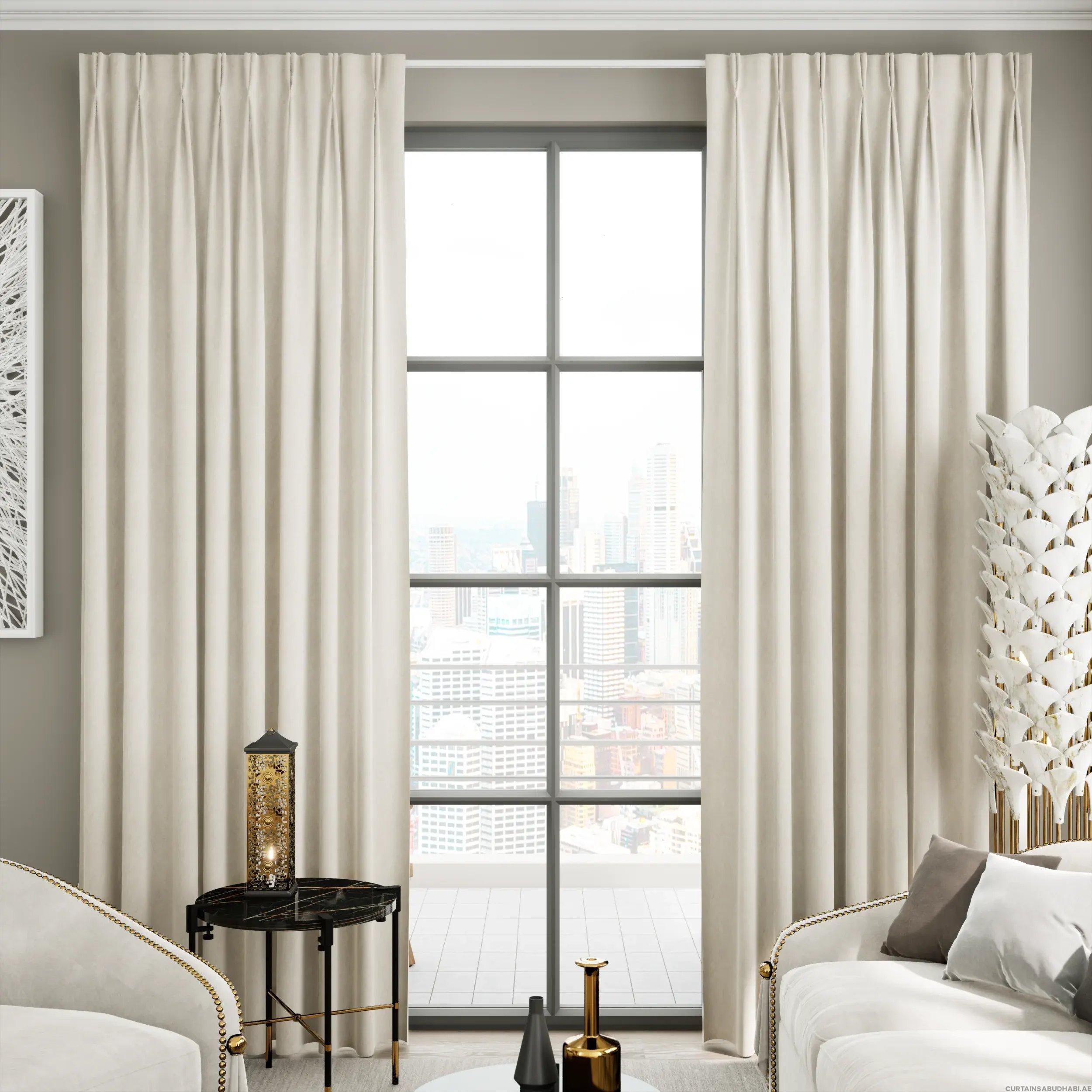
How climate conditions in United Arab Emirates influence curtain material durability and lifespan in homes and offices
Climate plays a major role in determining how long curtains will last and how well they perform. The hot weather and strong sunlight common across the United Arab Emirates can cause fabric fading, fiber weakening, and color dullness over time.
Key environmental factors affecting curtain durability include:
- Constant exposure to ultraviolet sunlight
- High outdoor temperatures affecting indoor air temperature
- Dust and sand particles entering through ventilation systems
- Humidity variations during seasonal transitions
Materials such as polyester blends, treated cotton, and layered blackout fabrics typically perform better in high heat. Many residents researching curtain materials often explore fabric durability through resources like sedar curtains abu dhabi to understand common material types used in local environments.
Proper lining also plays an important role. Thermal linings can reduce sunlight penetration and protect decorative outer fabric layers, extending curtain lifespan significantly.
Understanding fabric density, layering, and light control for comfortable indoor environments throughout the year
Fabric density directly affects how much sunlight enters a space and how much insulation the curtain provides. Dense fabrics block more light and provide better thermal insulation, while lighter fabrics allow filtered sunlight to pass through.
Common layering combinations include:
- Sheer layer for daytime natural lighting
- Medium-density layer for privacy and mild light filtering
- Blackout layer for complete light blocking during peak sunlight hours
Layered curtains allow flexibility. For example, sheer layers can be used during mornings while blackout layers can be closed during peak afternoon heat.
When evaluating different layering setups, many homeowners study available configurations by reviewing general curtain design resources such as curtains abu dhabi, helping them understand typical fabric layering practices used in local residential designs.
Layering also helps improve indoor temperature control, reducing reliance on air conditioning systems during peak summer months.
The role of interior design themes in selecting curtain textures, colors, and functional features for living spaces
Curtains are a key visual element in interior design. The wrong texture or color can disrupt the entire room aesthetic. Designers typically align curtain choices with flooring, wall color, and furniture material.
Interior theme considerations include:
- Modern interiors often use neutral textured fabrics
- Classic interiors may use patterned or embroidered fabrics
- Minimalist spaces prefer smooth, matte-finish curtain materials
- Luxury interiors may use layered velvet or silk-inspired fabrics
Functional features such as motorized tracks or double-layer systems may also be selected based on room design goals rather than just functionality.
Matching curtain tones with wall paint can also create visual depth, making rooms appear larger and more cohesive.
Differences between blackout, sheer, and layered curtain concepts for residential and commercial interiors
Different curtain types serve different purposes. Understanding these differences helps users select the right combination for each room.
Sheer Curtains
- Allow natural daylight
- Provide minimal privacy
- Improve visual softness in rooms
Blackout Curtains
- Block nearly all external light
- Improve sleep quality in bedrooms
- Reduce heat transfer from windows
Layered Curtains
- Offer flexible lighting control
- Combine privacy and natural light
- Improve energy efficiency
Many layered systems require durable mounting solutions. Hardware selection often becomes equally important as fabric choice. Some people explore structural compatibility by reviewing installation setups involving curtains and rods to understand how hardware supports layered curtain weight.
Maintenance routines and cleaning methods that preserve fabric quality and extend curtain usability
Proper maintenance significantly extends curtain lifespan. Dust and sunlight are the main factors that cause gradual fabric deterioration.
Recommended maintenance routine:
- Vacuum curtains weekly using soft brush attachment
- Shake curtains outdoors monthly to remove embedded dust
- Wash or dry clean based on fabric type every 4–6 months
- Avoid harsh chemical cleaners on delicate fabrics
For heavier blackout or layered curtains, professional cleaning is often safer than home washing. Incorrect washing temperature or drying methods can shrink or warp curtain fibers.
Routine maintenance also keeps curtains looking visually fresh, preventing color dullness and fabric stiffness.
How window size, ceiling height, and natural light direction impact curtain style decisions
Window structure heavily influences curtain selection. Large windows often require heavier fabrics or layered systems, while smaller windows may benefit from lighter fabrics.
Important structural considerations include:
- Floor-to-ceiling windows require longer curtain drops
- Wide windows need stronger rod or track support
- East-facing windows receive strong morning sunlight
- West-facing windows receive intense afternoon heat
Higher ceilings often look better with full-length curtains that visually elongate the room. Short curtains may visually shrink tall rooms.
Understanding light direction also helps determine whether blackout layers are necessary for specific rooms.
Common mistakes people make when selecting curtains for long-term daily use
Many curtain selection mistakes happen because people focus only on appearance rather than long-term functionality.
Common mistakes include:
- Choosing fabric without considering sunlight exposure
- Ignoring hardware strength requirements
- Selecting colors that fade quickly under sunlight
- Not measuring window width and height accurately
- Choosing decorative curtains without functional lining
Avoiding these mistakes ensures curtains remain visually attractive and functional for years.
Conclusion
Choosing curtains requires balancing design preferences with environmental and structural realities. Climate conditions, sunlight exposure, fabric density, and installation hardware all influence long-term performance. By understanding how materials behave under local conditions and how curtain layering improves functionality, homeowners can make informed choices that support comfort and durability.
Careful measurement, correct maintenance, and thoughtful material selection together ensure curtains remain effective and visually appealing over time.
FAQs
What curtain fabrics last longest in hot climates?
Polyester blends, treated cotton, and layered blackout fabrics typically last longer in high heat because they resist UV damage and fading better than delicate natural fibers.
How often should curtains be cleaned in dusty environments?
Light vacuuming should be done weekly, with deep cleaning or professional cleaning every 4–6 months depending on dust exposure levels.
What curtain types provide the best light blocking performance?
Blackout curtains provide the strongest light blocking performance, especially when combined with thermal lining and layered installation.
How do curtain colors affect room temperature and lighting mood?
Darker colors absorb more heat and block more light, while lighter colors reflect sunlight and help maintain brighter indoor environments.
What measurements are required before selecting window curtains?
Accurate window width, height, rod placement height, and ceiling height measurements are essential before selecting curtain length and fullness.